Ukraine's Zelenskyy tells ABC he will organise elections if Russia agrees to 60-day ceasefire
"Please tell Putin, give us two months, 60 days of total ceasefire, 60 days, and we will organise elections," Zelenskyy told ABC's This Week.
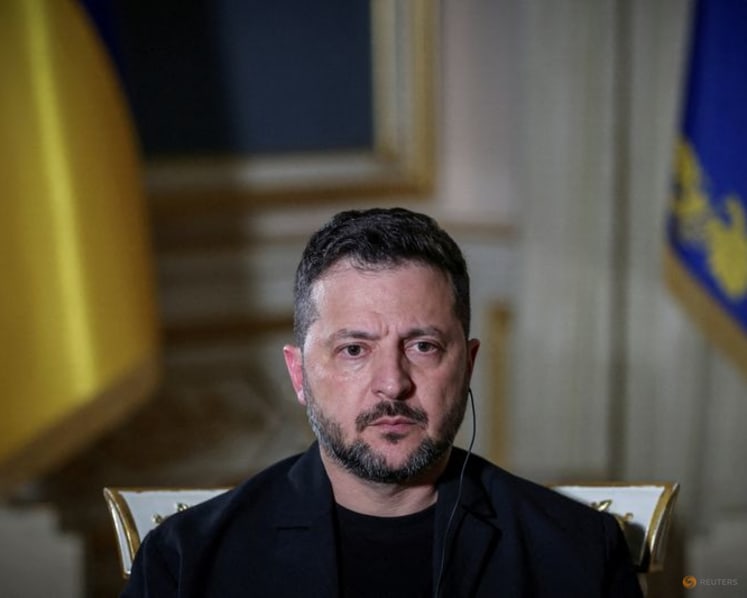
Ukraine's President Volodymyr Zelenskyy appears at an interview with Reuters, amid Russia's attack on Ukraine, in Kyiv, Oct 2 2026. (Photo: REUTERS/Alina Smutko)
WASHINGTON: Ukrainian President Volodymyr Zelenskyy said on Sunday (Oct 11) in response to critical comments from US President Donald Trump that he will organise elections in Ukraine if Russian President Vladimir Putin agrees to a 60-day ceasefire.
"Please tell Putin, give us two months, 60 days of total ceasefire, 60 days, and we will organise elections," Zelenskyy told ABC's This Week.
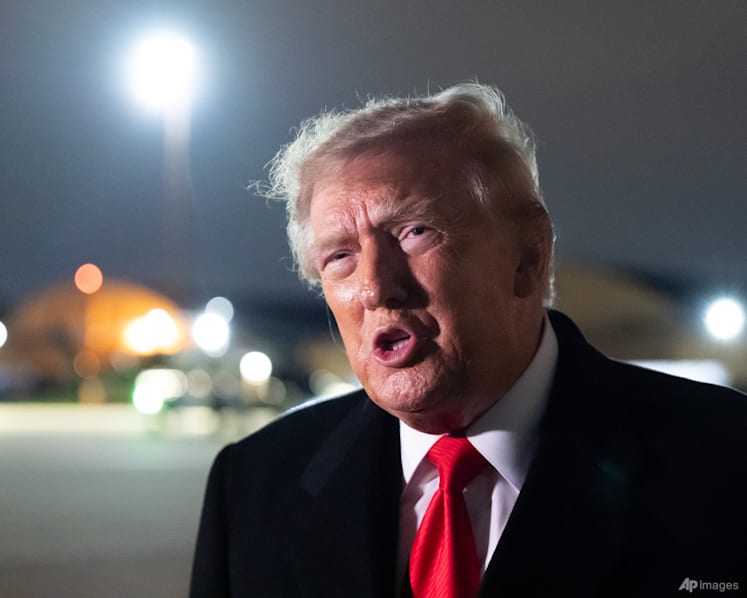
Trump on Saturday criticised Zelenskyy for attacking Russian oil refineries a day after the US temporarily lifted sanctions on Russian fuel that were designed to deprive Moscow of revenues to fund its war in Ukraine.
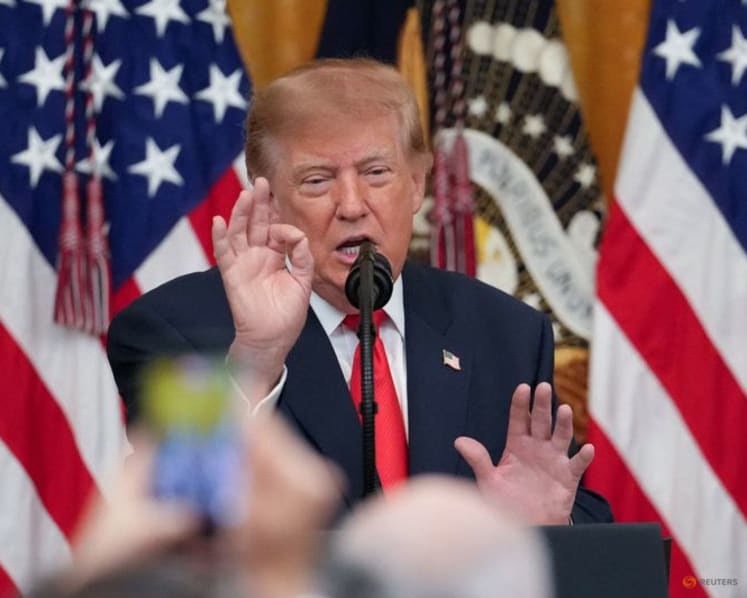
"I think it's time for Ukraine to get a new president," Trump had told reporters at the White House.





In response, Zelenskyy said "it's up to Ukrainians" to choose their leader and noted that Putin would also like to change who is leading Ukraine.
He said it is easy for Ukraine to be blamed for higher fuel prices "when everybody in the world understands because of the war in (the) Middle East, the prices are rising."
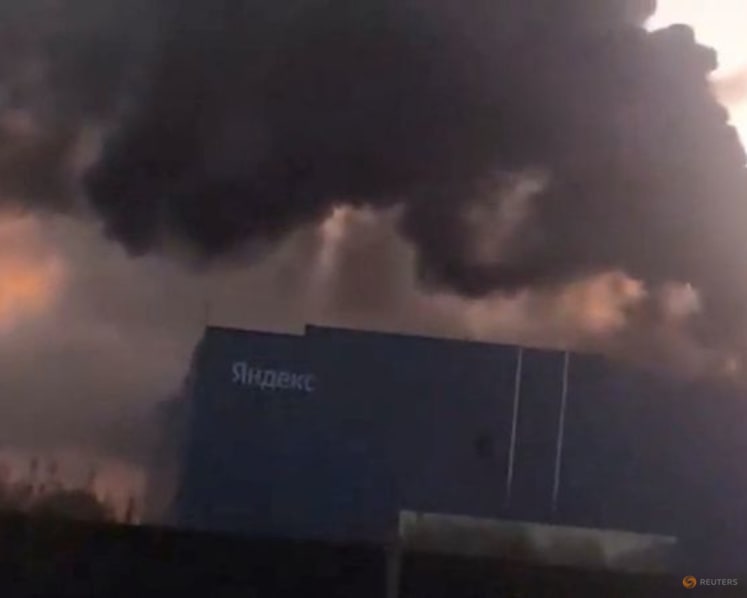
Earlier on Sunday, Zelenskyy said Ukraine was ready to halt attacks on Russian oil refineries if Moscow ceases its own strikes on Ukrainian energy infrastructure.
Under terms of the deal as described by Trump on Friday, Russia will immediately supply more than 300,000 metric tons of diesel to US and global markets, equal to about 2.25 million barrels of fuel. The US exports about 1.5 million barrels of diesel per day.
Trump is under pressure to bring down rising fuel prices ahead of November midterm elections that will determine whether his Republican Party will retain control of the US Congress for his final two years in office.
Many lawmakers, including Republicans, have criticised the diesel deal as rewarding Putin.