The habits draining your energy at work – and how to fix them
Why do some people stay energised all day while others crash after lunch? Experts point to everyday habits that can make a difference.
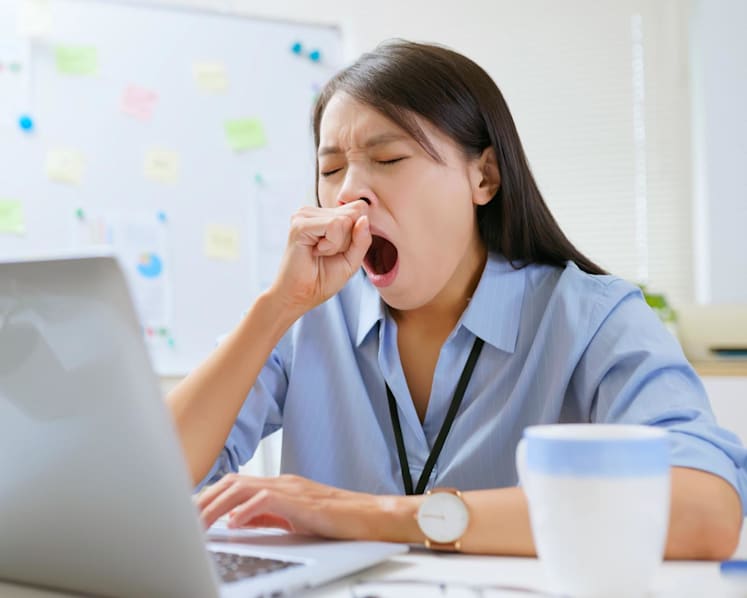
For many working adults, the midday slump feels like an unavoidable part of office life. (Photo: iStock)

This audio is generated by an AI tool.
Adulthood is not just one phase of life but comes in stages. Its many facets can be overwhelming, from managing finances and buying a home to achieving work-life balance and maintaining healthy relationships. In this series, CNA TODAY's journalists help readers deal with the many challenges of being an adult and learn something themselves in the process.


It's 3pm at work and my eyelids are heavy. My concentration is slipping and I'm already reaching for another cup of coffee.
The afternoon slump is so common that many working adults accept it as an inevitable part of the day.
Yet, it does not have to be. Health experts said that the culprits are the small, everyday habits that quietly drain our energy – from what we eat for lunch and what we do during downtime to when we exercise.
The good news is, these habits are well within our control, a family doctor assured me.





Dr Wong Siu Kwan, a general practitioner at Amber Family Clinic, said that being productive comes down to making mindful choices and using our resources, such as time and energy, to achieve our goals efficiently.
Therefore, sustainable changes to our daily routines can make it easier to stay more alert, focused and productive throughout the day – not just at work, but also in pursuing our health, relationships and personal goals, she added.
Now that I know small choices add up, let's look at how food, exercise and screen use can sap or sustain our energy.
DON'T LET LUNCH SLOW YOU DOWN
Fighting to stay awake after a carb-heavy lunch and a sweet drink?
This midday "food coma" – known medically as postprandial somnolence – refers to the heavy, sluggish feeling people experience after eating, nutritionist Annabelle Johnson said.
Since blood flow and metabolic activity shift toward digestion, meals high in refined carbohydrates (white rice, instant noodles, pizza dough) and sugar can make the slump even worse by causing a rapid spike in blood glucose, followed by a sharp dip.
"That dip is what leaves you groggy and reaching for coffee by 3pm," she explained.
Mr Sebastian Ng, a 30-year-old wealth planning manager, knows the feeling all too well.
When he first started working as a financial adviser at 24, he was eating "about three-and-a-half meals every day", often ordering an economical rice set with extra rice – a habit he had carried since his teenage years.
"I felt very groggy and sleepy after almost every meal due to the volume of food that I was eating," he said.
"At work, it was harder to finish up what I needed to do for the day, or even prepare to go for the next appointment."
He tried cutting all carbohydrates from his meals, but that proved too drastic and unsustainable.
"Even though I no longer had food coma, my overall energy levels dropped," he recalled, eventually settling on taking two meals a day – lunch and dinner – with carbohydrates in one meal.
"This helps me manage my daily calorie intake, while keeping my energy levels normal."
Indeed, eliminating carbohydrates is not the answer, Ms Johnson stressed.
Instead, she recommended pairing carbs with protein, fibre and healthy fats in a balanced ratio to slow down the rise in blood sugar and provide steadier energy.
"At the hawker centre, that might mean choosing more steamed or boiled vegetables and tofu items for a yong tau foo meal. Or asking for less rice and more greens and protein at the economical rice stall," she suggested.
She also advised against taking sweet drinks alongside a starchy meal, which can make a food coma worse, and that switching to water or drinks without sugar "helps enormously".
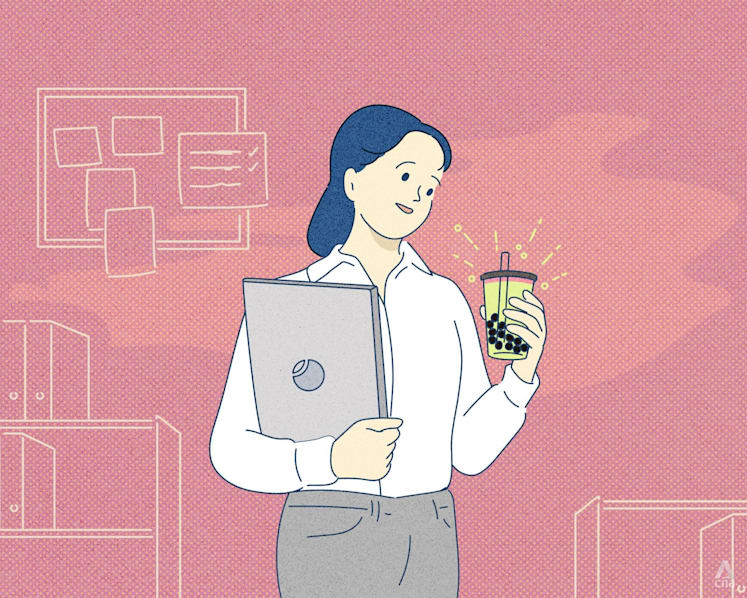
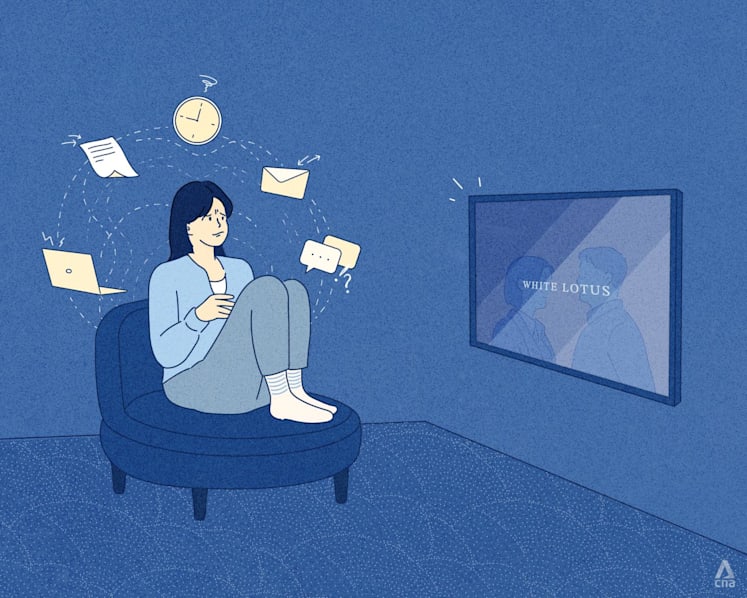
Apart from food choices, our eating habits also have an impact on maintaining energy levels throughout the day.
Although the brain takes up only 2 per cent of our body weight, it uses around 20 per cent of our energy, which primarily comes from the food that we eat.
Ms Johnson thus encouraged working adults to pay attention to the first two meals of the day – one before work, and the other during work.
Skipping breakfast to save time often backfires.
"You arrive at lunch ravenous, then you overeat," she said, which is a recipe for a food coma.

For those pressed for time, she recommended going for quick and nutritious breakfast options. These may include yogurt with some fruits and nuts, a hard-boiled egg with a banana, or peanut butter on wholemeal toast.
"For working adults who genuinely are not hungry in the morning, have stable energy and can meet their nutritional needs across two meals, skipping breakfast is much less of an issue," she added.
Another common habit among working adults is eating meals at the desk, which Ms Johnson discouraged. Distracted eating weakens the body's ability to register fullness, which increases the tendency to overeat.
"You also miss the genuine mental reset a proper break provides, so stepping away improves afternoon focus."
In between meals, she advised against over-relying on caffeine and sugary snacks as quick fixes for fatigue.
This is because caffeine merely masks tiredness and can interfere with sleep if consumed too late in the day. Sugary snacks provide only a brief energy boost before triggering a blood sugar crash that leaves you feeling even more sluggish.
I felt very groggy and sleepy after almost every meal due to the volume of food that I was eating.
Ms Anunya Ruengsrinukulkij, a 24-year-old accountant, found that making a few simple changes to her food choices and habits helped keep the afternoon slump at bay.
"I realised that if I eat a lot of fried or oily food, I feel super tired and sleepy," she said. "So I try to switch up my diet a little more to regulate my energy levels."
And when she does feel her energy dipping, she does not simply wait for it to pass.
"I would take a short walk, go get a refreshing drink or freshen myself up," she said. "Because if I'm just sitting there and not doing anything about the feeling, I would be stuck in it."
Ms Johnson said that even a 10-minute walk after lunch helps muscles use circulating glucose more efficiently, reducing the blood sugar crash that often fuels food comas.
So, even though the dreaded afternoon slump is common, it is also very preventable and manageable, she added.
IS THERE REALLY A "BEST" TIME TO EXERCISE?
Apart from food, another important factor in the equation is physical activity.
For most people, productivity and discipline look a lot like waking up at 6am, going for a run and eating a healthy breakfast before stepping into the office.
Ms Giselle Jia, a 30-year-old country product manager, thought so as well.
"With a morning workout, I felt like my day would start on a good note, and that positive energy would be carried throughout the day," she said.
In reality, though, Ms Jia's morning schedule is very tight as a working mother, so the only pocket of time that she can squeeze out is after work and before dinner.
She gave morning workouts a try, but quickly realised they were incompatible with her lifestyle.
"It was really a challenge for me to wake up early," she said. "It also made my whole morning routine very rushed. Now, I prefer to have a slow and chill morning before work starts."
She has since devised an evening workout routine that not only fits around work and family life, but also helps her "feel more energised and productive", she added.

For 22-year-old Gordon Hong, however, incorporating some movement first thing in the morning makes a substantial difference.
The computer engineering undergraduate begins his day with a short jog, a few sets of push-ups or pull-ups, or even "just jumping up and down for a couple of minutes", he said.
That brief burst of activity is enough to keep up his energy levels for the rest of his day.
"If I start the day with a bit of activity, I am more physically inclined to continue being active throughout the day," he said.
"Whereas if I had just stared at my phone when I first woke up, I am definitely going to have a much more lethargic day than if I go out and get a bit of sun."
Like Ms Jia, however, Mr Hong still saves his longer, more intense workouts for later in the day.
"I feel much stronger in the evening because I've more energy in the tank from lunch," he said. "The temperature is also cooler and I don't have to rush, unlike in the morning."

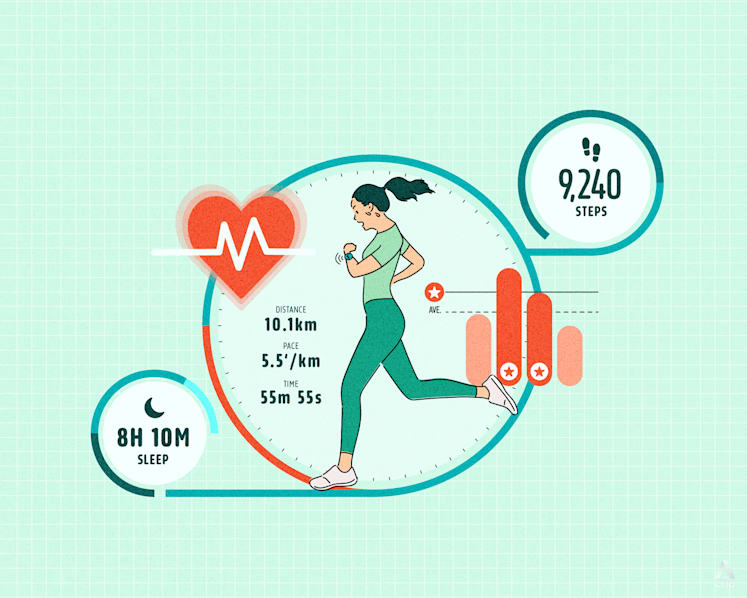
Health experts emphasised that the "best" time to exercise differs across individuals.
"Early risers may get a sense of achievement and a boost of energy throughout the day due to the endorphins – the 'feel good' hormones – released after exercise," Dr Wong explained.
However, trying to force a morning workout when it goes against one's natural rhythm can be counter-productive.
"If someone is a late riser and they get stressed trying to wake up early to exercise, this is not sustainable," Dr Wong said, adding that some people naturally perform better later in the day, when their muscle strength and endurance may be higher.
Therefore, you would be better off listening to your body's signals than trying to chase a seemingly ideal workout timing.
"The main idea is to fit exercise and physical activities around your schedule and lifestyle, so that it becomes sustainable and enjoyable. Consistency is key," Dr Wong emphasised.
She also suggested experimenting with different times of the day to find out what feels most motivating. Or breaking the time spent on physical activity into smaller blocks throughout the day, for those who find it difficult to commit to longer workout sessions.
PUT YOUR PHONE DOWN TO POWER UP
The habits that pull down or push up your energy levels are not confined to what you eat and when you exercise. How you spend your downtime matters, too.
For many people, including myself, unwinding after work – or taking a quick break during the day – means scrolling through short videos on social media. Before long, an hour has passed, and instead of feeling recharged, we end up feeling more drained.

Dr Wong said that information overload and eye strain from mindless scrolling on social media increase mental and physical fatigue.
Over time, excessive screen use can also reduce our attention span, making us less effective at tasks that require sustained concentration.
She pointed to surveys suggesting that the average person checks their phone more than 180 times a day.
"Such constant context-switching can reduce attention span and focus, which may in turn increase task completion time and reduce productivity."
To make it less energy-zapping, take regular breaks from the screen.
During work hours, this could mean turning off non-essential notifications on the phone and limiting scrolling during breaks to five to 10 minutes.
For those who spend long hours in front of a computer, Dr Wong recommended following the 20-20-20 rule: Every 20 minutes, look at something at least 20 feet (about 6m) away for 20 seconds to give the eyes a chance to rest.

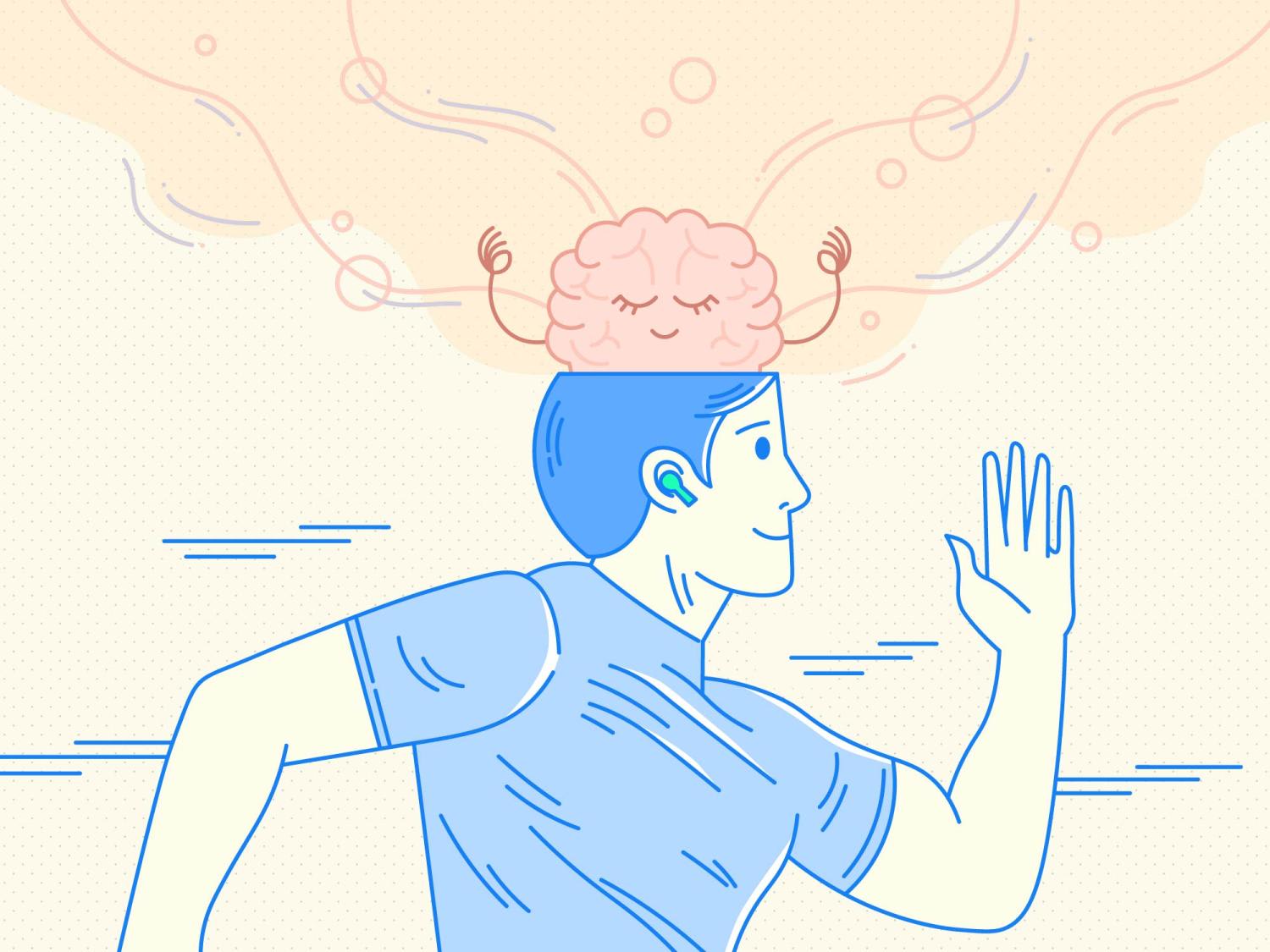
Outside of work, she proposed setting designated times to check emails and social media instead of reaching for the phone whenever boredom strikes.
Keeping the phone out of reach at bedtime, scheduling screen-free meals, or replacing scrolling with offline hobbies can also help reduce unnecessary screen time.
"For those who need extra motivation," Dr Wong added, "consider doing a digital detox with friends or family, such as challenging one another to stay off social media for a day."
Ultimately, Ms Johnson said that maintaining our energy levels is less about reacting to fatigue than preventing it in the first place.
Whether it is eating balanced meals, finding an exercise routine that fits our lifestyle or setting healthier boundaries around screen use, small, consistent habits can go a long way towards helping us stay energised throughout the day.
"Managing your energy ahead of time beats scrambling to recover it every afternoon."
WAYS TO BOOST ENERGY AND STAY SHARP
- Avoid sugary snacks as a quick energy boost
- Have coffee earlier in the day, not when fatigue hits
- Have a balanced breakfast, or pick something quick and easy such as yogurt or a store-bought cup of cut fruits if time-pressed
- Avoid a heavy lunch
- Don't eat lunch at your work desk and avoid looking at devices when eating
- Take a short walk after lunch
- Take breaks in between work and move about
- Look at something 6m away for 20 seconds every 20 minutes
- Turn off non-essential notifications on your phone during work
- Set designated times to check emails and social media
- Limit social media scrolling sessions to five to 10 minutes if that is how you unwind
- Experiment with exercise timings and choose the best time to suit your schedule
- Break exercise time into smaller blocks throughout the day if that works for you
- Keep phone out of reach at bedtime
- Take up offline hobbies instead of scrolling on the phone
- Try a digital detox with friends or family