


Preschool teachers to get at least 2 hours a week away from teaching duties to plan lessons, engage parents
The two hours is not a cap and centres that can offer more are encouraged to do so, says the Early Childhood Development Agency (ECDA).
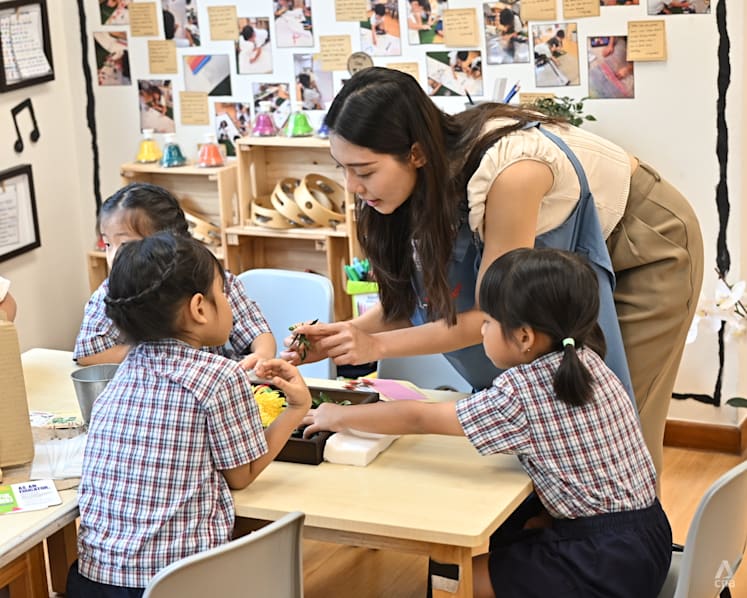
A teacher with her students at an ECDA Teachers' Day Celebration event at E-Bridge Pre-School on Aug 28, 2026. (Photo: CNA/Raydza Rahman)

This audio is generated by an AI tool.


SINGAPORE: Preschool teachers will get at least two hours a week away from teaching and child supervision duties to plan lessons and carry out other work tasks from November 2027, under a new requirement for all centres licensed by the Early Childhood Development Agency (ECDA).
The requirement will apply to full-time certified early childhood educators, with the non-contact time to be set aside during their working hours.
Non-contact time is protected time for educators to carry out professional responsibilities beyond teaching, caring for and supervising children. These include documenting children’s development, preparing learning resources and engaging parents and community partners.
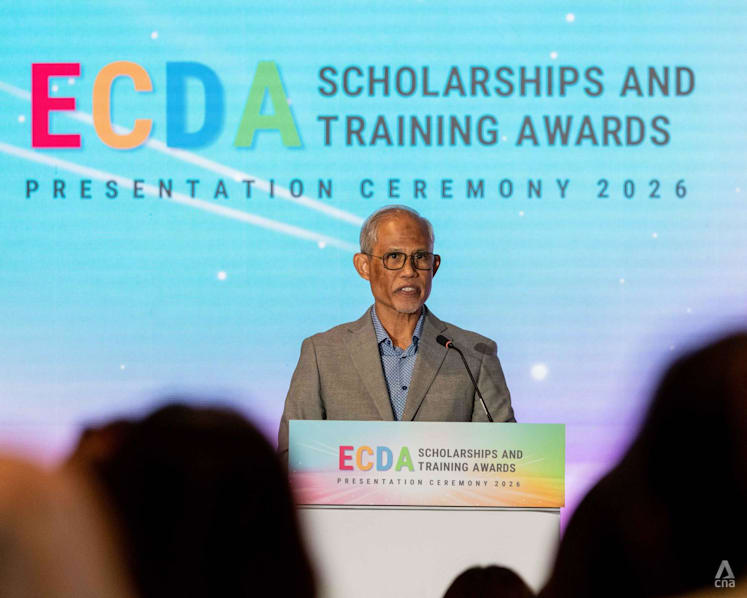
The new requirement was announced by Minister for Social and Family Development Masagos Zulkifli at ECDA’s annual scholarships and training awards presentation on Tuesday (Oct 13).





Mr Masagos said the protected time is intended to give educators more time to prepare and reflect on their practice, ultimately improving the quality of preschool education for children.
“While some preschools already provide non-contact time, the extent of such support varies across the sector,” he added.
“Establishing a common minimum will ensure that every educator has protected time to carry out these essential responsibilities. This will support more purposeful practice and more consistent quality of education for our children.”
MORE TIME BEYOND THE CLASSROOM
The change comes after ECDA said earlier this year that it was reviewing educators’ working environment, including how to strengthen the adoption of non-contact time.
There are currently about 28,000 educators across 1,800 preschools in the early childhood sector, ECDA said in response to CNA’s queries about the impact of the new requirement.
Educators have said that they find it difficult completing both teaching and other professional responsibilities during the work day, due to the high demands of teaching.
ECDA said setting aside dedicated time would help educators better manage their workload, and could raise teaching quality, support their well-being and boost staff retention over time.
Centres will have flexibility in scheduling the time based on their operational needs, it added. They can provide it daily, weekly, every two weeks or monthly, but it must be given in blocks of at least one hour.
“Regardless of the arrangement, centres should provide non-contact time regularly and within educators’ working hours, and this should not result in extending their working hours,” the agency said.
The two-hour minimum was developed following consultations with educators and preschool operators, and takes into account existing practices across the sector.
But it is not a cap, and centres that already provide more non-contact time – or are able to do so – are encouraged to continue.
Operators will have about a year to prepare, review their work arrangements and put the necessary support in place, said Mr Masagos. “Those who are able to offer more than the minimum are encouraged to do so.”
The requirement will be included in the Early Childhood Development Centre Code of Practice, and ECDA will work with preschool operators and sector stakeholders during this period to support its adoption.
“The work of an early childhood educator, though, goes beyond the classroom,” said Mr Masagos.
“Educators plan learning experiences, document each child’s development, and work alongside parents. And all this to support our children’s learning and well-being. These responsibilities are integral to delivering quality preschool education.”
The move is part of ECDA’s broader efforts under its Quality Preschools 2030 plan to improve working conditions for early childhood educators.
Over the past five years, the government has invested more than S$75 million in the professional development of early childhood educators, building their skills and competencies at various stages of their careers.
“The needs of our educators, children and families will continue to evolve, and our approach to professional development therefore must evolve accordingly,” Mr Masagos said.
"DEFINITELY A START"
Early childhood professionals welcomed the change, saying mandatory non-contact time will help teachers better balance teaching and administrative duties.
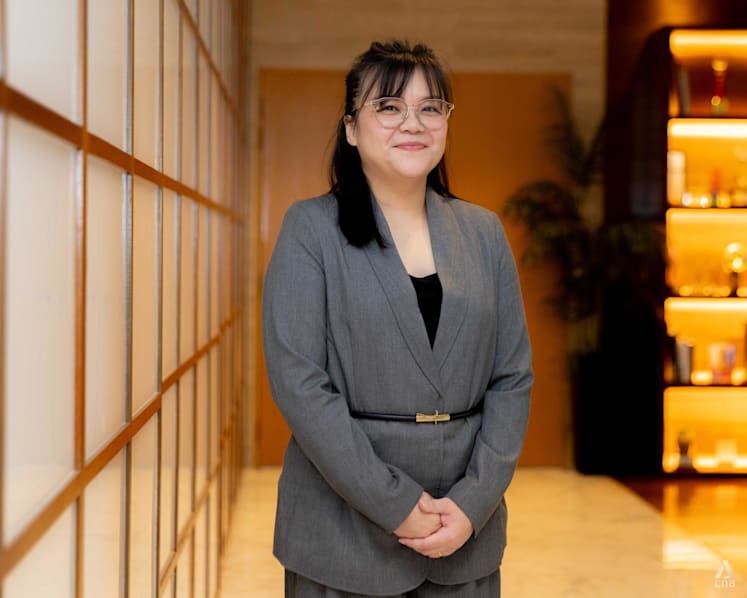
Ms Lim Qiu Lin, centre leader at Skool4Kidz at Punggol Waterway Sunrise, said the move recognises educators’ extra time and effort, including taking shorter lunch breaks or bringing work home.
She believes the change will help teachers develop better lesson plans and strengthen relationships with parents.
While two hours may not be enough for their daily workload, she said it is "definitely a start".
"In the long run, the children will definitely benefit ... We don't want teachers to burn out," she said.

Mr Keefe Teo, director of Bright Kids School House, agreed, saying more time for lesson planning will improve teachers' well-being and quality of work.
However, he noted that some preschools may struggle to meet the requirements, particularly when one teacher is away and another has to manage children with diverse or more challenging needs.
Centres may need to bring in additional staff to cope, he added.
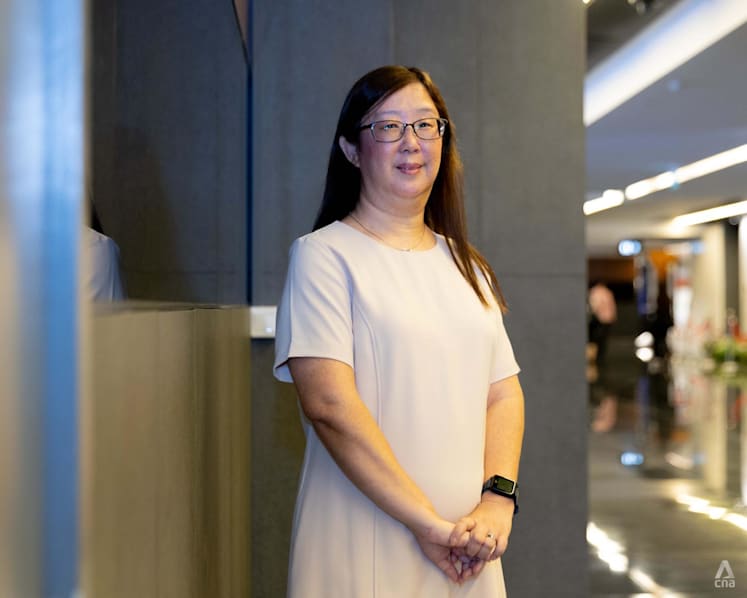
Ms Tan Mui Har, centre leader of Brighton Montessori in Kovan, said her teachers currently get about 45 minutes of non-contact time daily, which many use to catch up on work.
"Some of them even make use of this time to approach their peers for advice," she said.
Making non-contact time a requirement will give teachers "more focus" and allow for more in-depth lesson planning, she added.
"They will have time to focus on planning for their lessons, preparing their teaching aids, and also to respond to the parents' queries, without having to worry about taking care of the children."