


Man under police probe for alleged cheating over use of shell companies to avoid rent
Police found grounds to investigate Mr Anthony Thomas Price after reviewing a court ruling that identified a pattern of the American using shell companies to live rent-free, said Senior Minister of State for Law Murali Pillai.
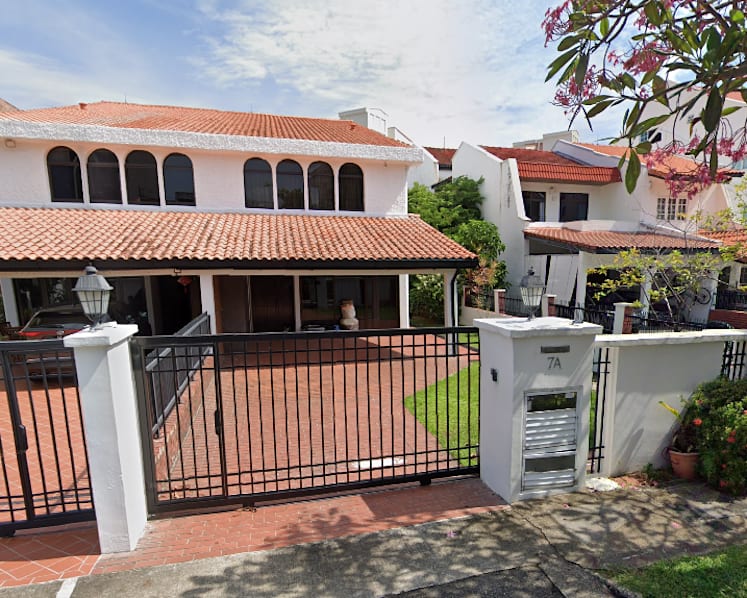
The Kembangan house rented by Noranth Ventures for Mr Anthony Thomas Price and his family. (Photo: Google Maps)

This audio is generated by an AI tool.


SINGAPORE: The police are investigating a man for alleged cheating after a court found that he had a pattern of using shell companies to live rent-free in residential properties, Senior Minister of State for Law Murali Pillai said in parliament on Wednesday (Nov 4).
The official receiver is also investigating possible fraudulent trading and wrongful trading offences, and the Accounting and Corporate Regulatory Authority is looking into potential breaches of the Companies Act by the relevant entities and individuals, added Mr Murali.
The official receiver is a public officer appointed by the High Court whose role includes investigating wrongful trading offences, acting as liquidator in compulsory winding-up cases, and overseeing private liquidators.
Those guilty of cheating face up to 10 years' jail, and may also be fined or caned, or both.
“As investigations are ongoing. I will not say more. Nothing I have said should be taken as a view on whether an offence has been committed,” said Mr Murali.
He was responding to parliamentary questions about the use of shell companies to rent residential properties and avoid paying rent.
The questions follow a court ruling last month that found an American man had a "pattern" of using shell companies to live rent-free in residential properties.
In a judgment dated and published on Oct 7, a company used by Mr Anthony Thomas Price was ordered to return a landed property in Kembangan to its landlords and pay unpaid rent and other sums.
The judge also found that Mr Price had used shell companies to rent two other landed properties between 2019 and 2024.
A court case involving a residential property in Kembangan was settled, while another involving a home in Siglap was still ongoing as of October.
In parliament, Mr Pillai said companies can legitimately lease residential properties, such as to house employees posted to Singapore, and that the company — rather than its directors or shareholders — is generally liable for the rent.
But he said the law does not allow companies to be used as a cover for fraud or to let the individuals who set them up evade their responsibilities.
Besides possible criminal penalties, those involved may also be made personally liable for a company’s debts, for example, in cases of fraudulent or wrongful trading, said Mr Murali.
"The court can disregard the corporate form where it is abused for an improper purpose," he added.
This is a developing story. Check back for updates.