


Singapore studying implications after ICJ finds Myanmar committed genocide against Rohingya
The Ministry of Foreign Affairs said that Singapore stands ready to work with regional and international partners to support displaced communities.
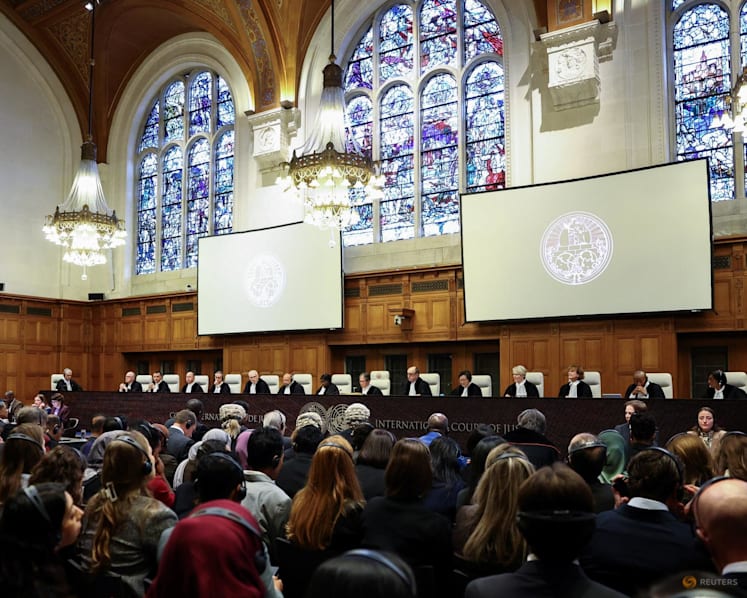
The International Court of Justice delivering its judgment on Nov 19, 2026, in The Hague, Netherlands, in a case brought by The Gambia accusing Myanmar of genocide against the Rohingya Muslim minority. (Photo: Reuters/Piroschka van de Wouw)

This audio is generated by an AI tool.
SINGAPORE: Singapore respects the judgment of the International Court of Justice (ICJ) that Myanmar committed genocide against the Rohingya.
In a statement on Tuesday (Nov 24), Singapore's Ministry of Foreign Affairs (MFA) said: "We reaffirm our commitment to the international rule of law and the peaceful settlement of disputes, and are studying the implications of the judgment.
"We remain deeply concerned about the security and humanitarian situation in Myanmar, including the plight of the Rohingya, refugees and internally displaced persons."
The top United Nations court delivered its judgment on Nov 19 in the case, which was brought by the West African country of The Gambia against Myanmar under the Genocide Convention seven years ago.
MFA reiterated its longstanding call for conditions to be created for the safe, voluntary and dignified repatriation of refugees.





It added that Singapore stands ready, together with the Association of Southeast Asian Nations (ASEAN) and other international partners, to continue supporting the humanitarian needs of displaced people, including through the ASEAN Coordinating Centre for Humanitarian Assistance on disaster management.
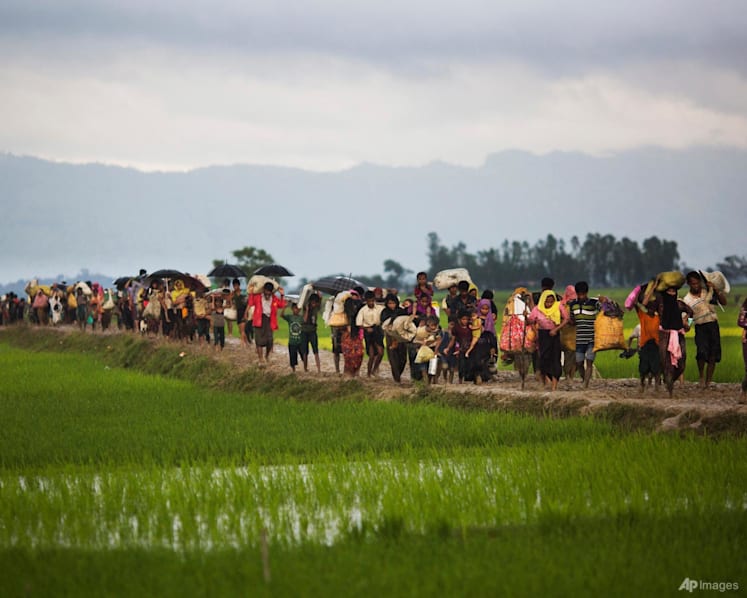
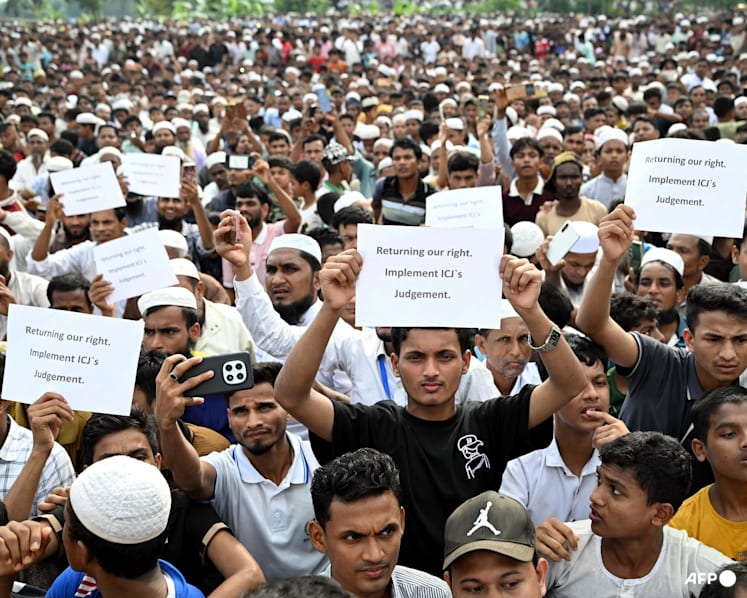
The ICJ judges ruled by a nine-to-six majority that Myanmar had committed genocide against the mostly Muslim minority during a 2017 military crackdown that forced hundreds of thousands to flee the country.
It also ordered Myanmar to provide reparations, including restitution and compensation, and to submit a report within two years on restitution measures taken and proposed compensation.
The landmark judgment is the first time that the ICJ has found a state responsible for committing genocide, and it could have implications for how the Genocide Convention is applied in future cases before the court.
The Genocide Convention, formally the Convention on the Prevention and Punishment of the Crime of Genocide, was adopted by the United Nations General Assembly in 1948. It is the international treaty that defines genocide and requires states to prevent and punish the crime.