'At peace': Singapore pilgrims find calm and faith at Haj amid Middle East tensions
Tighter security and extreme heat have been the main realities on the ground, but pilgrims say the atmosphere remains focused on worship.
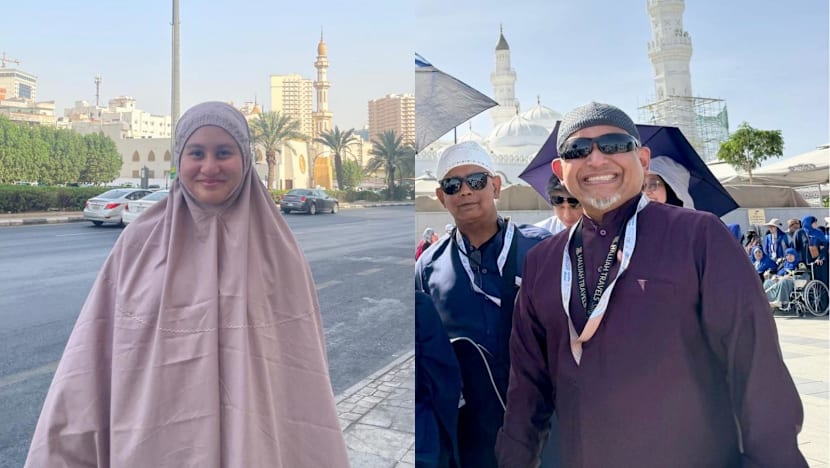
Eliya Mohamed Fawzi (left) and Mohamed Fawzi (right) are among the Singaporean pilgrims on the Haj in Saudi Arabia this year. (Photos: Eliya Mohamed Fawzi, Mohamed Fawzi)

This audio is generated by an AI tool.


SINGAPORE: Security checks and crowd control measures have been a constant feature of this year's Haj, as the pilgrimage takes place against the backdrop of an ongoing Middle East conflict.
For Singapore's pilgrims, though, the mood has been calm and positive, buoyed by support from both Saudi Arabian and Singapore authorities, they told CNA.
Mr Mohamed Fawzi, an operations and administrative professional, said security has been visibly tighter compared to his Umrah – a minor pilgrimage – last November.
"There are more checkpoints, visible security personnel, barricades guiding movement and many signboards," the 56-year-old said.





Overall, he described the security arrangements as "stricter and more extensive" compared with when he was there last year, with greater coordination across transportation, crowd flow and safety messaging.
Signs also remind pilgrims to take precautions against the heat and to carry their permits, Mr Fawzi added.
Each pilgrim is required to carry their Nusuk Card – an official digital identification document – throughout the journey, said Ms Eliya Mohamed Fawzi, 21, a nurse. She is not related to the Mr Fawzi quoted above.
Ms Eliya said there have been "random checks from time to time", typically for identification rather than bags.
"The Nusuk Card is an important piece of ID that is checked regularly throughout our journey here. They check the cards to ensure it is valid," she said.
Her father said the PilgrimSG app by the Islamic Religious Council of Singapore (MUIS) provides an added layer of assurance. The app tracks pilgrims via GPS, allows them to seek emergency assistance and sends real-time alerts on key developments.
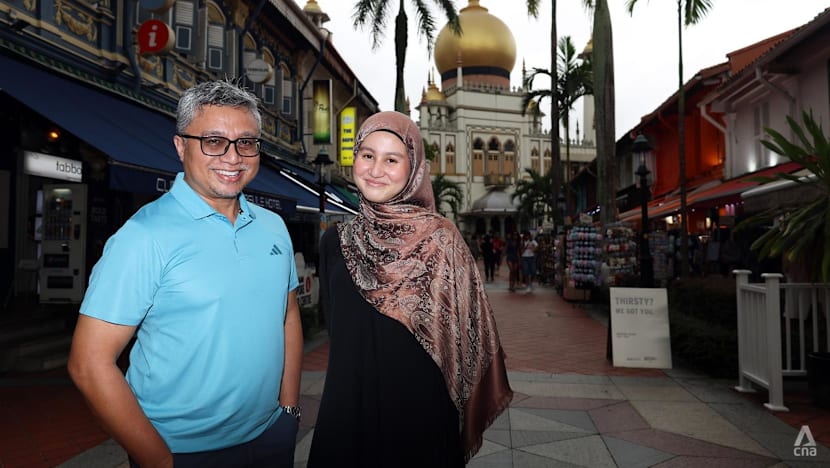
Despite the continuing Middle East conflict, pilgrims said they feel safe with the measures put in place.
Mr Fawzi, travelling with his wife, sister and brother-in-law, said the Saudi authorities have been "quite structured" in managing the safety of the large pilgrim population.
Ms Eliya said that Acting Minister-in-charge of Muslim Affairs Faishal Ibrahim has been staying at the same hotels as her travel group, and regularly checks in with the pilgrims.
Associate Professor Faishal said last Saturday (May 23) on social media that the pilgrims’ health and well-being remain top priorities. He highlighted support by Singapore Pilgrims' Affairs Office officers and medical personnel for those on the journey.
“With temperatures in Makkah reaching as high as 47 degrees in recent days, I encourage our pilgrims to take extra care, stay hydrated and minimise outdoor exposure,” said Assoc Prof Faishal, who heads the Singapore delegation this year.
SENSE OF UNITY
For many pilgrims, the bigger challenge has not been security but the heat, the crowds and the long distances between sites.
“The main challenge has been the heat and managing energy levels while moving between locations, especially during busy periods,” said Mr Fawzi, who waited 13 years for this opportunity.
He said staying hydrated, resting when possible and moving as a group has helped. In preparation, he had ramped up his exercise, such as brisk walking more regularly and taking the stairs at his housing block.
“The mood among the pilgrims has been very positive and spiritual so far. People here seem focused on worship and supporting one another, despite the large crowds and long journeys,” he said.
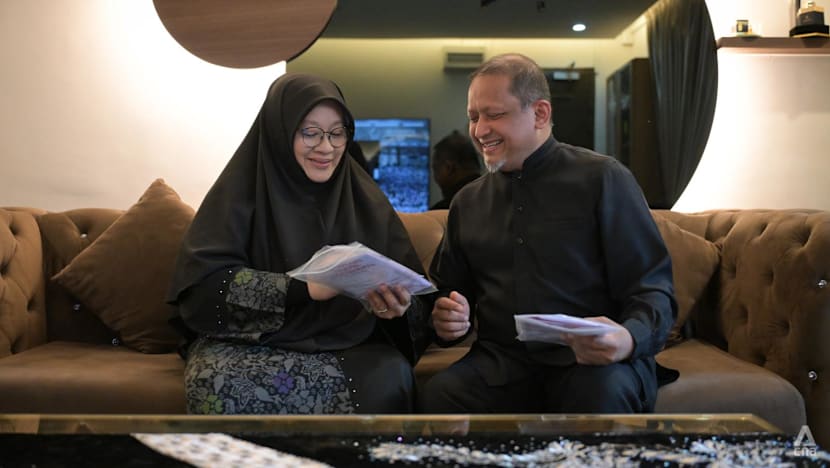
His wife, Ms Noraida Ramli, 53, prepared by watching videos of previous pilgrims on YouTube.
“To prepare myself for the Haj spiritually and with the knowledge of what to expect, I looked at YouTube to learn from the experience of people who have been there before,” said the visa officer at an embassy here.
Ms Eliya said the scale and grandeur of Saudi Arabia's religious sites left her speechless. It has made her journey worth it, despite the fatigue of arriving after a red-eye flight from Singapore on the first day, she said.
“For some, it is an emotional journey after waiting so long,” she said, adding that she feels “at peace”.
Ms Eliya said she feels fortunate to be making the Haj at a relatively young age, and that having both parents with her has eased her anxiety. Currently, about 65,000 applicants are still on the waiting list, according to MUIS.
The pilgrims have also been struck by the international character of the journey.
“You can really feel the sense of unity, with pilgrims from all over the world gathering for the same purpose,” Mr Fawzi said.
Ms Eliya said she has made friends from Iran and the United Kingdom, amid the "rush and chaos" of the crowds.
As a younger pilgrim, Ms Eliya has been capturing the experience on video and in photographs – though she has held off posting them on social media for now.
“I would love to share the photos and videos after the Haj rituals have been performed. But for now, I would like to keep it private and practise being present,” she said.