Countries need to expand access to cooling without raising emissions: Grace Fu
Asia is warming nearly twice as fast as the global average, says Minister for Sustainability and the Environment Grace Fu at the inaugural Global Cooling Pledge Assembly.
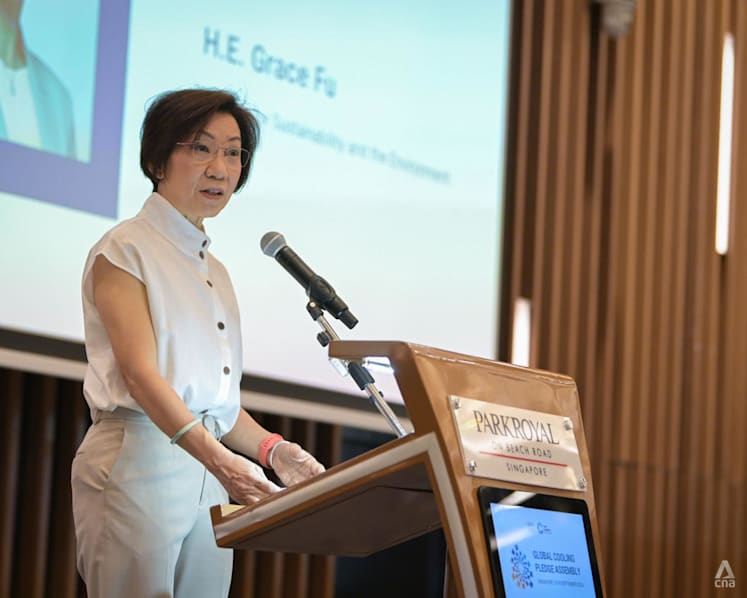
Minister for Sustainability and the Environment Grace Fu speaking at the Global Cooling Pledge Assembly on Sep 17, 2026. (Photo: CNA/Syamil Sapari)

This audio is generated by an AI tool.


SINGAPORE: Countries need to expand access to cooling without driving up emissions and energy demand as temperatures rise, Minister for Sustainability and the Environment Grace Fu said on Thursday (Sep 17).
Speaking at the inaugural Global Cooling Pledge Assembly, Ms Fu said Asia is warming nearly twice as fast as the global average, with extreme weather events becoming more severe, from a near-record-breaking El Niño to intense heatwaves and longer dry spells.
Ms Fu noted that Singapore's latest climate projections show that annual mean temperatures could rise by up to 5°C by the end of the century, bringing more very hot days, warmer nights and frequent periods of high heat stress.
"As temperatures rise, so will demand for cooling," she said. "Cooling already accounts for about 20 per cent of global electricity use, and demand is expected to more than triple by 2050."





Singapore is co-hosting the assembly with the United Nations Environment Programme and the Cool Coalition, a global network of governments, international organisations, businesses, financial institutions and academia working to drive sustainable cooling.
Ms Fu announced at the COP30 climate conference in Belém, Brazil, last year that Singapore would host the assembly. Running from Tuesday to Friday, the assembly also includes the first meeting of the Intergovernmental Committee on Cooling, which tracks progress on the Global Cooling Pledge.
More than 230 leaders from government, academia and business across over 60 countries are attending, with the aim of turning sustainable cooling goals into action.
Delegates spent the first two days exploring cooling and heat-resilience solutions for dense cities, and will spend the remaining two reviewing progress and sharing strategies to accelerate implementation.
PLANNING, POLICY AND PARTNERSHIPS
In her speech, Ms Fu outlined Singapore's three priorities for tackling sustainable cooling: planning, policy and partnerships.
Singapore's adaptation plans are grounded in science and data and tailored to local conditions, Ms Fu said.
For instance, the country has launched a dedicated R&D programme that includes a S$40 million (US$31.3 million) Adapting to Heat Impacts initiative. Research is translated into adaptation measures such as passive and hybrid cooling, greenery, wind flow and shade in urban developments.
Planning must be backed by policy, she said, citing Minimum Energy Performance Standards for common household appliances as an example.
Cooling also needs to stay accessible, she added, noting that the government will open more than 300 cooling centres islandwide during heatwaves, using community spaces where residents can seek respite from extreme heat.
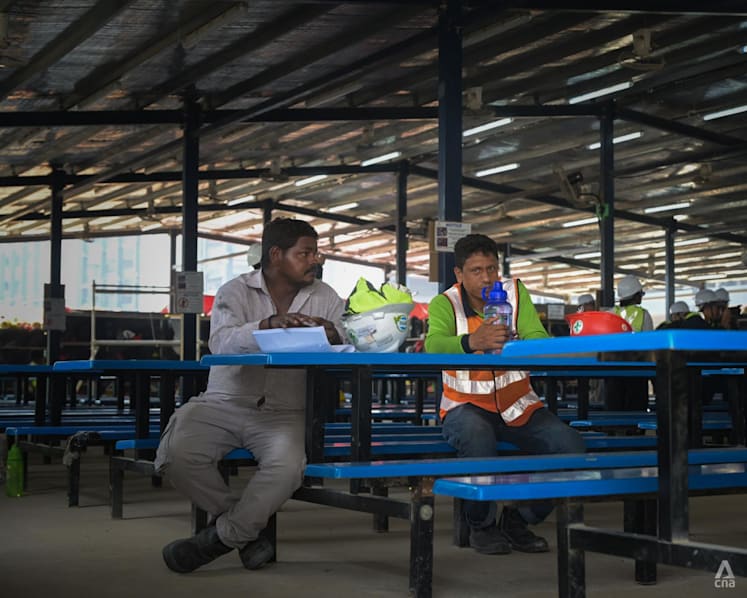
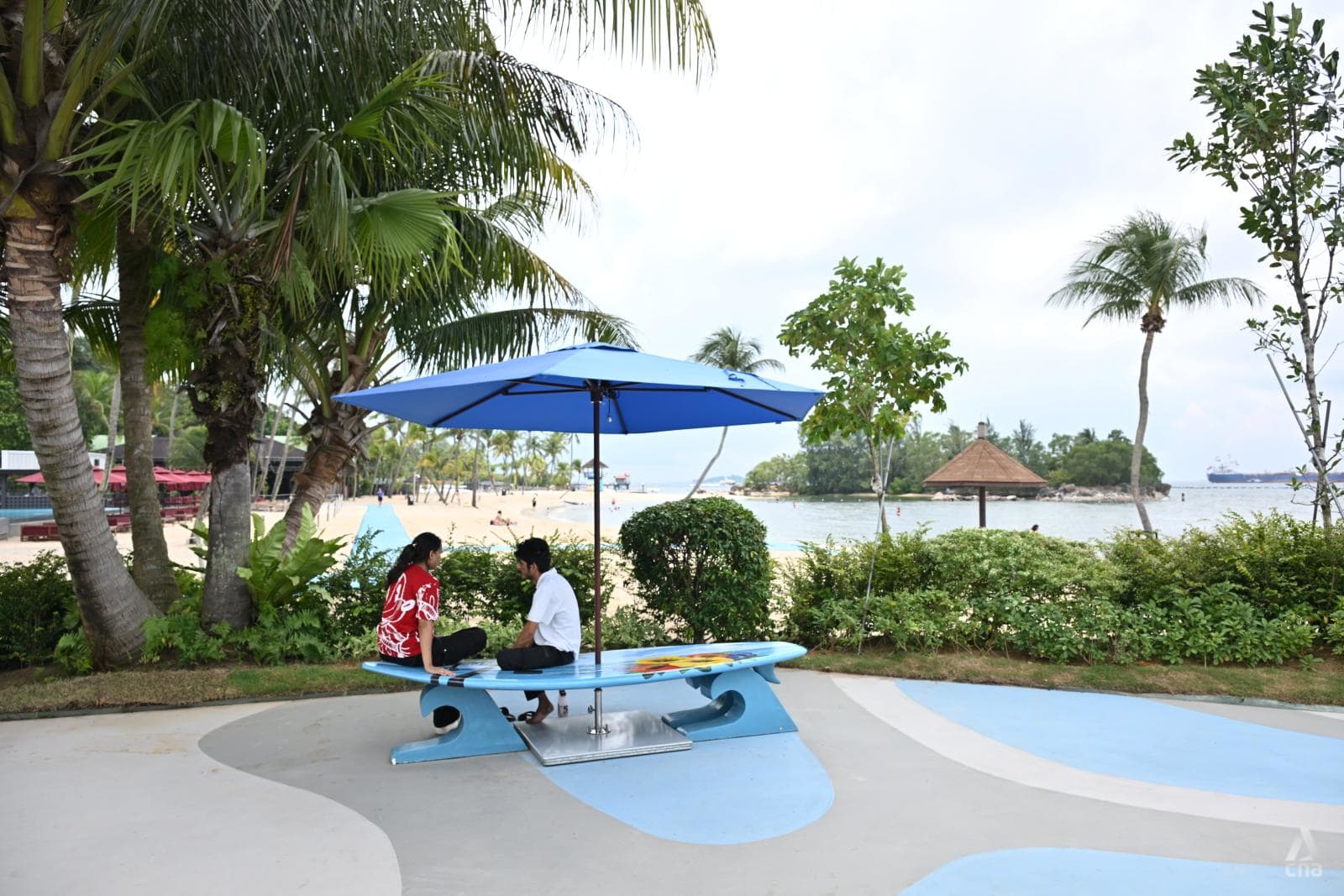
Partnerships across government, business and the community are also needed, Ms Fu said.
"Heat affects public health, increases the risks of heat-related and infectious diseases, puts vulnerable groups at greater risk, and disrupts business operations," she said.
"No single agency or sector can address these effects alone. We must act together to protect our people, society and economy."
The Heat Resilience Policy Office coordinates efforts across government and supports a national action plan spanning infrastructure, health, economic and social needs, she said.
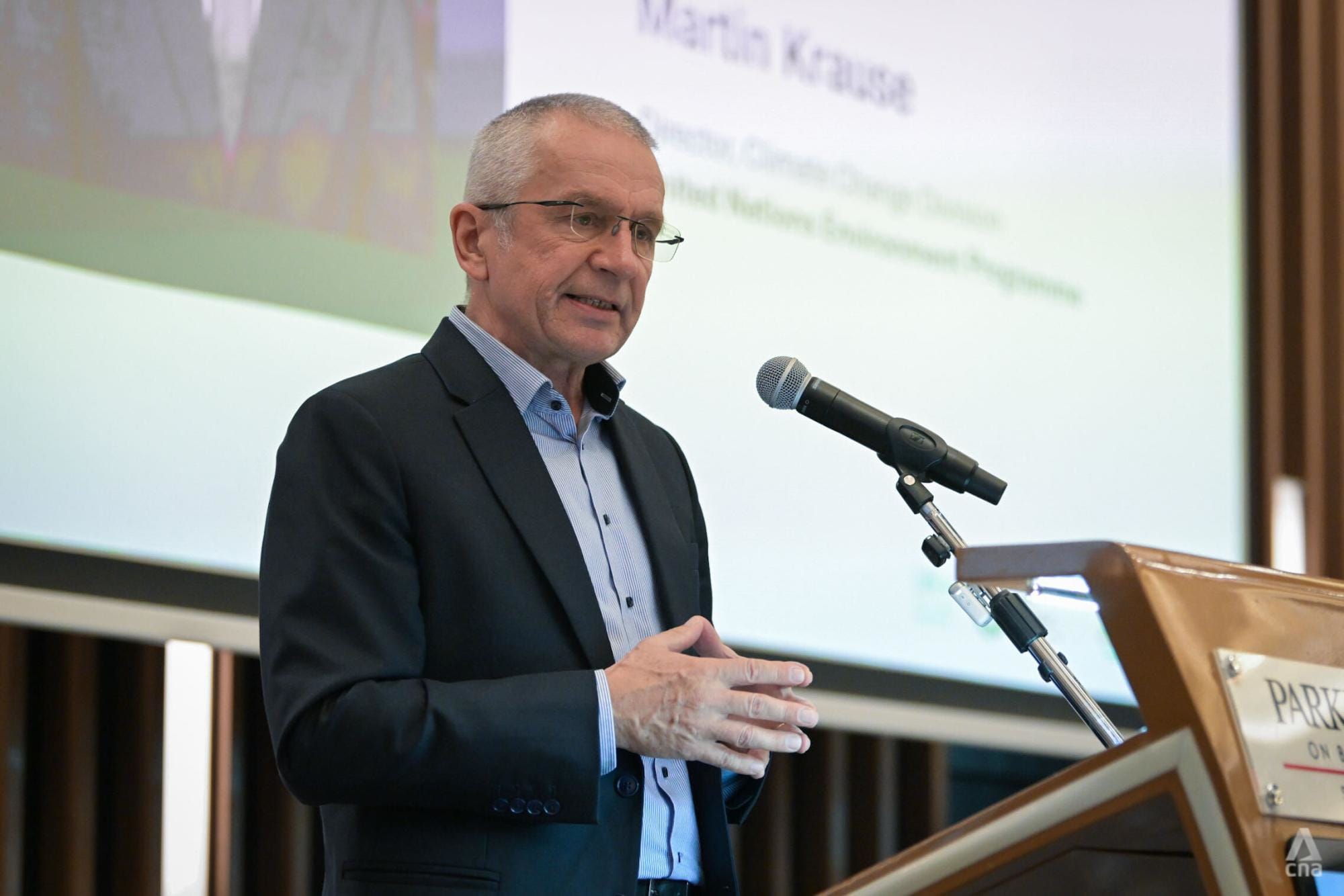
Martin Krause, director of the Climate Change Division at the UN Environment Programme, echoed Ms Fu's warning, saying that without action, cooling demand could more than triple by 2050 while emissions double and billions of people are left without adequate protection from heat.
"The task now is to bring these solutions together and take them to scale," Mr Krause said.
He pointed to the global heat resilience roadmap, which offers countries a framework integrating climate, health, labour, urban and development efforts, and "turns a fragmented response into coordinated delivery of solutions on the ground".
"Countries and cities must set the direction here through national cooling plans, through urban heat strategies, through enabling policies and pathways for transforming the market for energy-efficient equipment," he said.
Mr Krause also introduced the Cool Coalition Manufacturing Platform, a voluntary initiative bringing governments and manufacturers together to expand access to efficient cooling equipment and accelerate the transition to refrigerants with low- and ultra-low global warming potential.
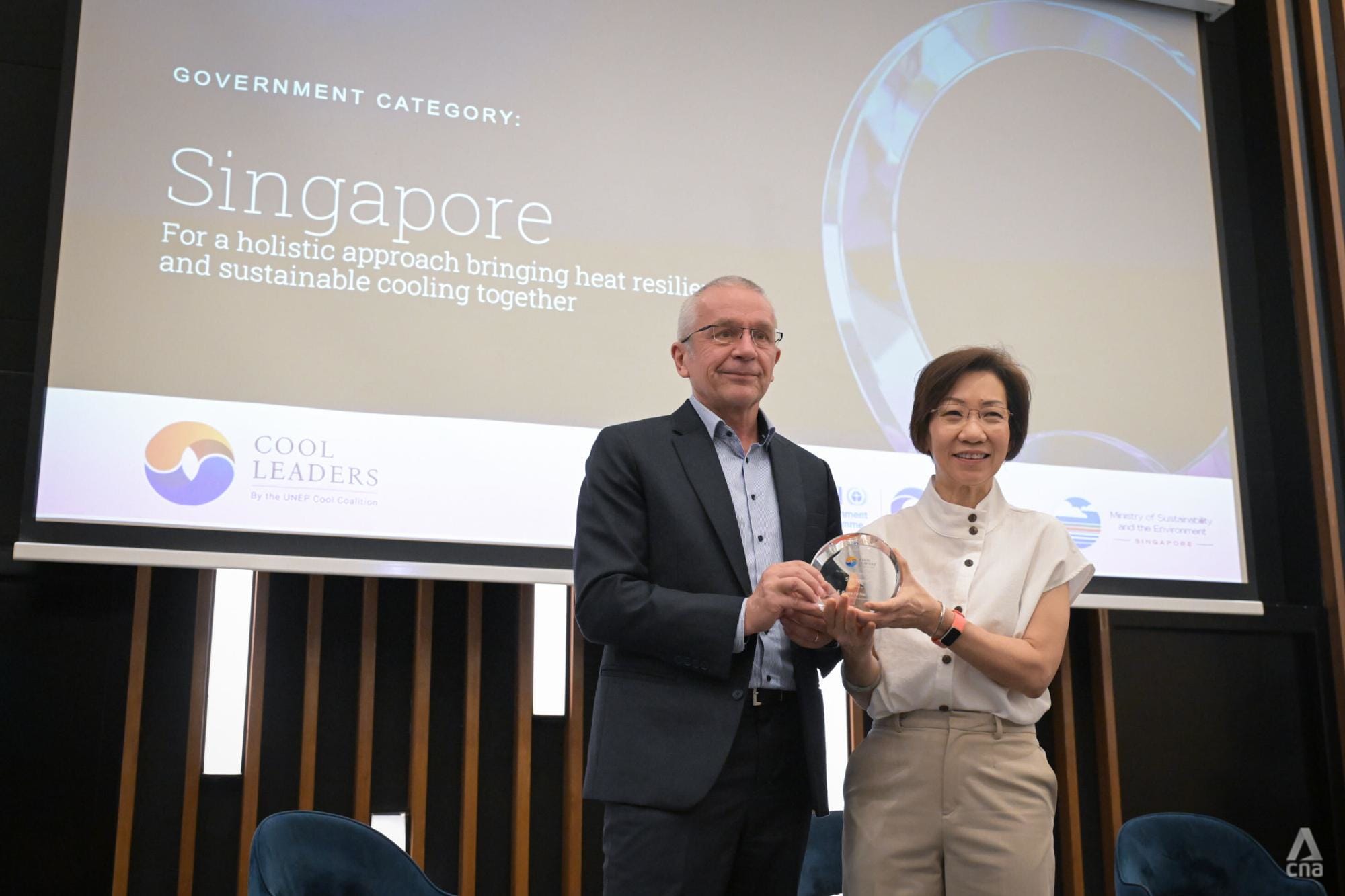
SINGAPORE NAMED COOL LEADER
Singapore was recognised for its leadership in passive cooling and heat resilience at the inaugural Cool Leaders awards, which honour leadership in advancing sustainable cooling across policy, innovation and implementation.
Singapore was recognised alongside the United Arab Emirates, cited for its leadership in district cooling and in advancing cooling within global climate and development policy, and Ms Dong Mingzhu, chairwoman of Gree Electric Appliances, recognised for developing ultra-efficient, low-carbon cooling technologies.
On the win, Ms Fu said Singapore may have started the planning process but was "not there" yet.
"The journey is a very long one, and we really need the cooperation of everyone in the government," she said. "It is not just about cooling the place, but cool it in a sustainable way, in a way that is comfortable for our people, but also in a way that is resilient for our businesses."
She added that Singapore also needs to better understand the science and data behind heat risks to protect groups such as outdoor workers, athletes and the more vulnerable, including children and seniors, as temperatures rise.