More mosquitoes, less birdsong: Increasingly extreme El Ninos may favour pests while other animals swelter
More frequent and extreme El Nino events could push Singapore’s wildlife to the limit, while sparing human-adapted animals like mosquitoes, crows and pigeons.
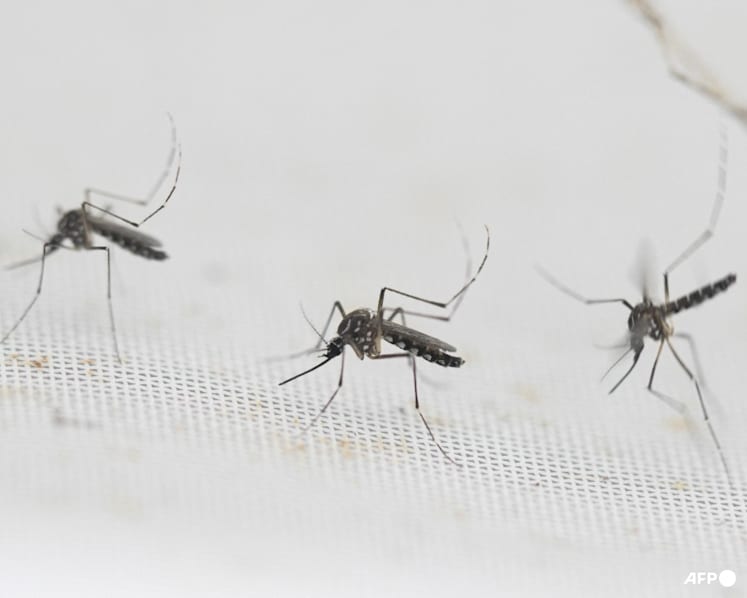
Aedes aegypti mosquitoes are pictured at a laboratory. (File photo: AFP/Luis Robayo)

This audio is generated by an AI tool.


SINGAPORE: As El Nino pushes the weather to extremes, many may expect wildlife to suffer - but the animals that stand to gain may also be among the least welcome.
Mosquitoes already thrive in Singapore's tropical climate and dense urban environment, while cockroaches are highly adaptable and birds like pigeons can rely on food and infrastructure provided by humans.
But other forms of wildlife do not have the same advantages.
Prolonged heat can affect the reproductive success of birds, and also disrupt insect life cycles and make food harder to find for animals that depend on them, experts told CNA.
WHAT ABOUT MOSQUITOES
A 2025 study analysing more than two decades of dengue cases in Singapore found dengue risk increased during stronger El Nino conditions, in a model that also accounted for local temperature and rainfall.
While Singapore’s tropical climate and high population density "create ideal conditions for mosquitoes year-round", hotter weather can boost populations by accelerating life cycles and virus multiplication, according to the National Environment Agency (NEA).
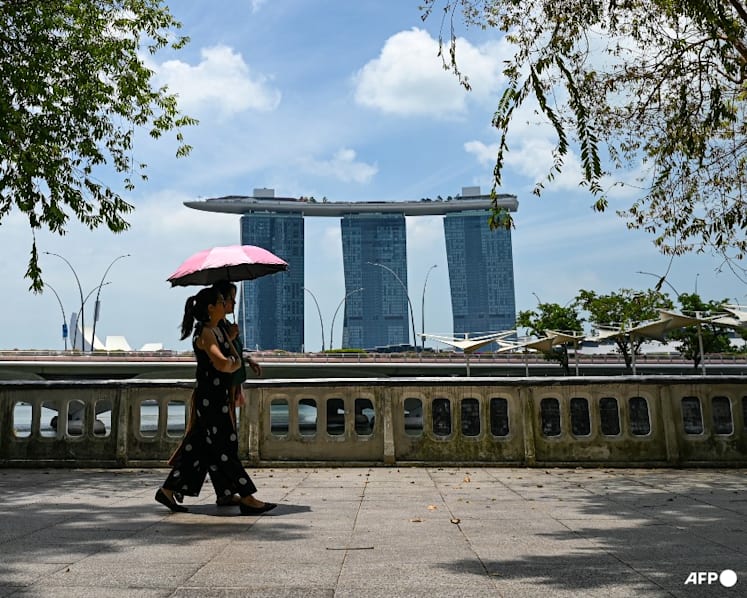
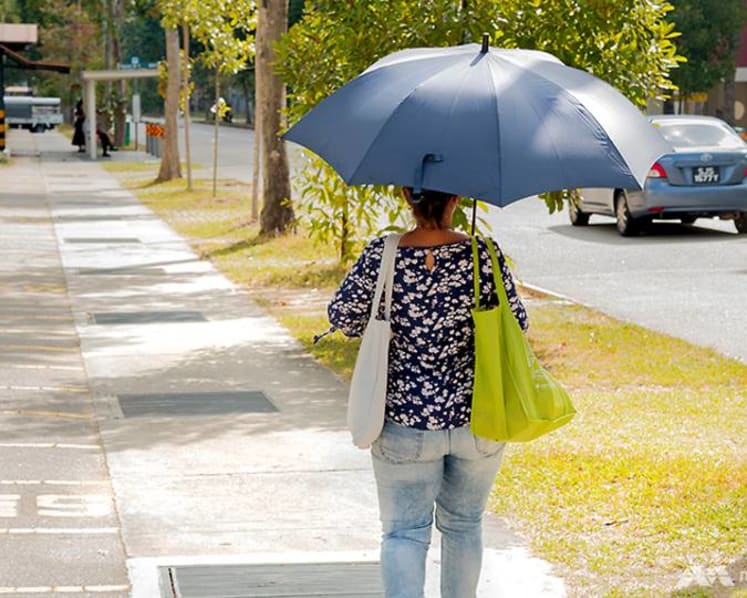
This year’s El Nino is expected to bring hotter and drier weather in Singapore from June to October, overlapping with the traditional peak dengue season from May to October.
Mosquitoes rely heavily on human infrastructure to breed, with the top three breeding habitats in public areas being covered perimeter drains, discarded receptacles and gully traps, according to NEA's quarterly dengue surveillance data from April to June 2026.
Are there other animals that can take advantage of human infrastructure to come out unscathed in extreme El Nino conditions? Experts say yes.





CROWS AND COCKROACHES IN THE CITY
The seemingly indestructible cockroach, as one of the most widespread and adaptable pests on earth, is one such winner.
Specifically, the pesky ones that live in rubbish chutes - the American and German cockroaches - which are "super adaptable", said Asian School of the Environment Associate Professor Eleanor Slade.
"We all know … you can't really get rid of them," she said. "Anything can happen, and they'll still be there."
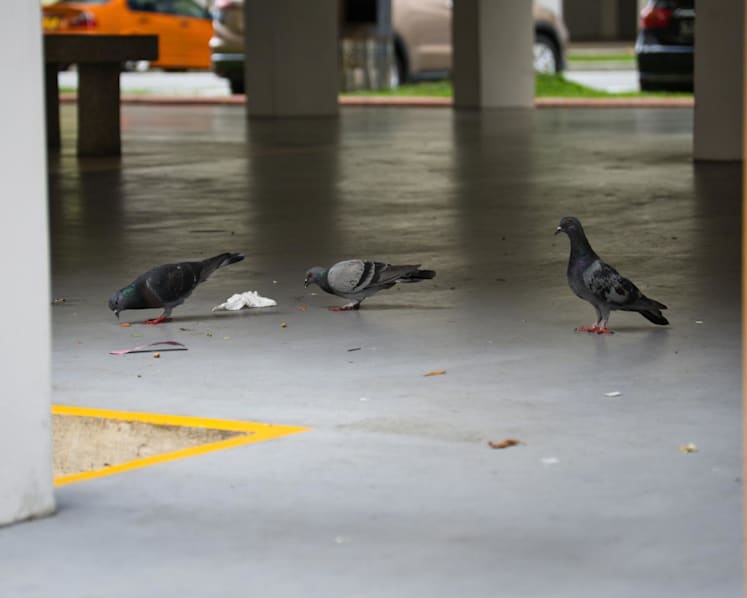
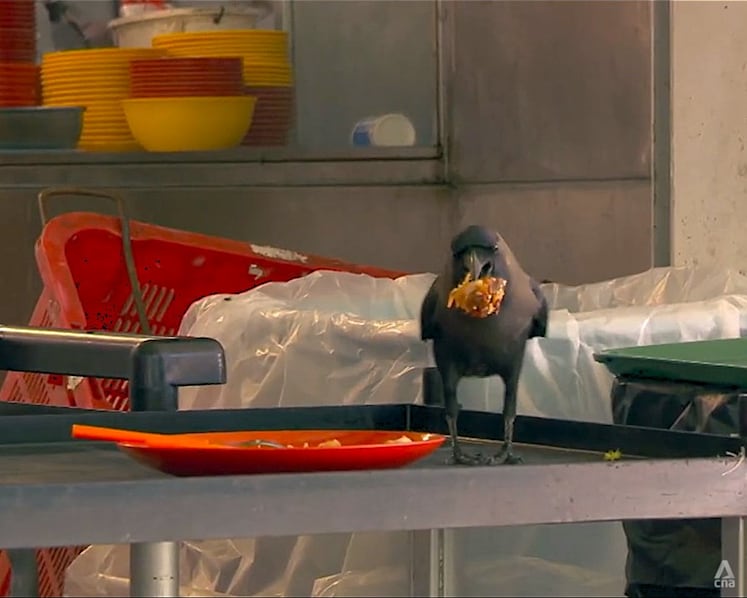
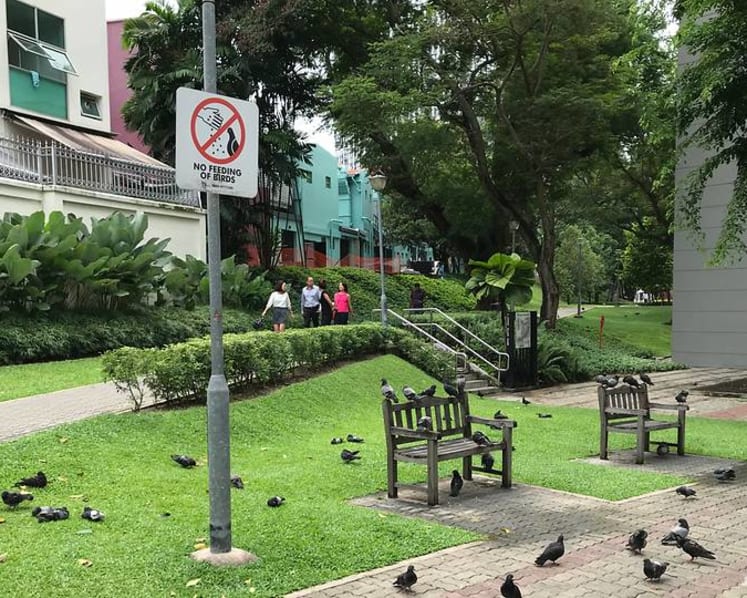
Meanwhile, human commensal bird species like mynas and pigeons are also likely to be cushioned from El Nino conditions as they stay near human infrastructure, said ornithologist Movin Nyanasengeran, a lecturer at the National University of Singapore (NUS).
Human commensals are species that "stick really close to human habitation", said Dr Movin, "so things like rock pigeons, house crows, Javan mynas - they are the ones making a living in hawker centres and the open tray return area".
Since these birds are not dependent on natural food and can instead rely on proximity to human food waste, their food sources and population will remain stable whether or not the monsoons come, he added.
FEWER BIRDS AND BEES?
For wildlife that still depends on natural food sources, however, the effects of hotter and drier weather can ripple through the ecosystem.
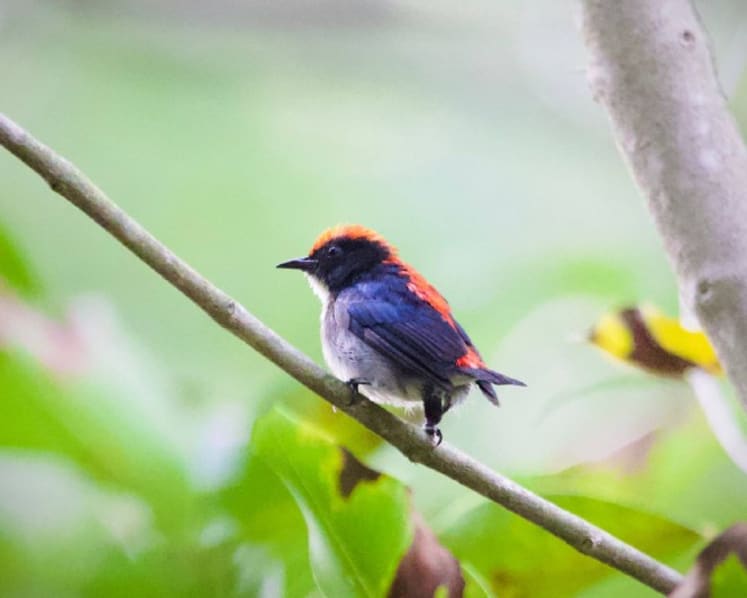
These include urban-adapted species like yellow-vented bulbuls and scarlet-backed flowerpeckers, which are usually found in Singapore’s parks and green spaces.
They may have more in common with true forest-dwelling birds when monsoons are affected by El Nino conditions, Dr Movin said.
As El Nino brings about prolonged periods of heat and reduced rainfall can place Singapore’s native animals like boars, macaques and the critically endangered Raffles’ Banded Langur under stress, said National Parks Board (NParks) wildlife management group director How Choon Beng.
In the day, birds will try to beat the heat by hiding in the shade and reducing movement, making them less visible, said Dr Movin.
If the weather gets too hot to handle, "you'll see birds grounded on the floor panting", he warned. In such cases, Dr Movin advised members of the public to call ACRES or the NParks helpline.
"Consistent heat waves that are far above the usual temperatures will have a negative impact on reproductive success of many (bird) species, as they increase mortality and result in failed broods," said Associate Professor Frank Rheindt, who is also the Dean’s Chair of the Department of Biological Sciences in NUS.
On the forecast for significantly hotter, drier and hazier weather for Singapore, Assoc Prof Rheindt said, "None of this is positive for birds and other animals relying on a structured and stable environment."
"When it gets really hot in the middle of the day … there are few animals of any kind that can stand the heat," Assoc Prof Slade said.
While some insects - like hardier species of butterflies - are more adaptable, hotter conditions could reduce the numbers and types during the day, as they retreat to cooler, sheltered forest areas or become nocturnal.
Caterpillars may feed less and, as a result, become smaller in size or less successful in breeding, said Assoc Prof Slade.
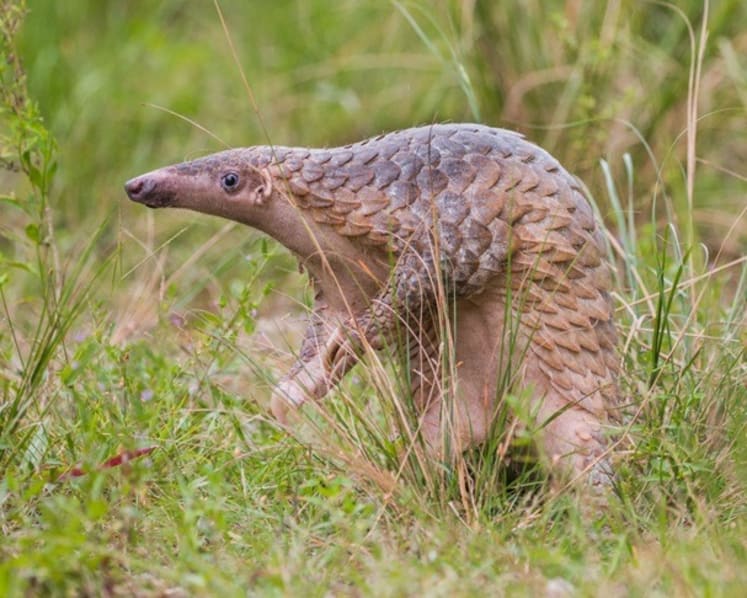
Soil-dwelling insects may burrow deeper as the ground heats and dries up, making them harder to find for insect-eating species like the critically endangered Sunda Pangolin.

MORE FREQUENT AND EXTREME EL NINO EVENTS
El Nino is a naturally occurring cycle that plants and animals have adapted to, with some species even benefiting from it.
The concern, experts say, is what happens when weather conditions become too extreme or unpredictable.
While many insects are "fairly robust", the stronger and more frequent El Ninos may be something that populations aren't adapted to and cannot recover from, Assoc Prof Slade said.
For birds, Dr Movin described an "envelope of adaptability" within which species can function.
More extreme conditions could push them "beyond that capacity", he said. The difficulty is that the damage may not always be immediately apparent.
"We really can’t tell until we have a few (El Ninos), and we start seeing birds take hits," he said.
NO HUMAN FOOD, NO GUARANTEES
Without the certainty of guaranteed food sources, animals that are not adapted to live alongside people are more vulnerable to unpredictable El Nino events that could disrupt cycles that plants and animals rely on, resulting in ripple effects in Singapore’s ecosystem and food web.
Heat and haze may affect insect life cycles and their ability to reproduce, causing an "extinction lag" over time as populations struggle to adapt, said Assoc Prof Slade.
If insect populations crash, “this has knock-on effects for birds, for bats, for other mammals and things that feed on the insects as well”, she added.
"Usually, breeding success is very related to food availability," said Dr Movin, adding that fewer insects could directly result in bird deaths or failed breeding attempts.
Assoc Prof Slade warned that resulting biodiversity loss could be "deceptive" as such a decline may not mean fewer individuals or a loss of ecosystem function.
Likening a robust ecosystem to a diversified fund, Assoc Prof Slade said that the vulnerability of having poorer biodiversity is often called the "portfolio effect".
"There will always be species that survive … and new communities will form, but what communities those are and whether they're useful communities for us is another thing," she said.
So while mosquitoes thrive and pigeons find refuge in coffee shops, Singapore's less adaptable wildlife may retreat from view. And as El Nino events grow more extreme, the question is how much more disruption they can withstand.