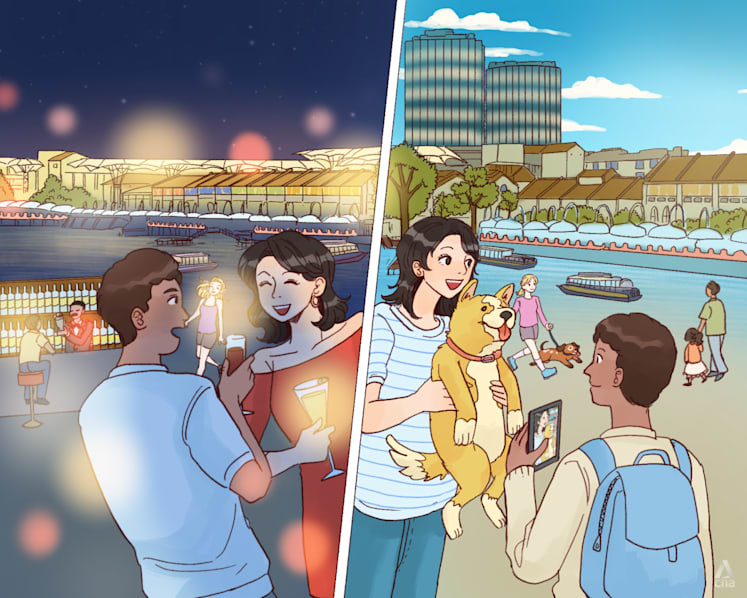
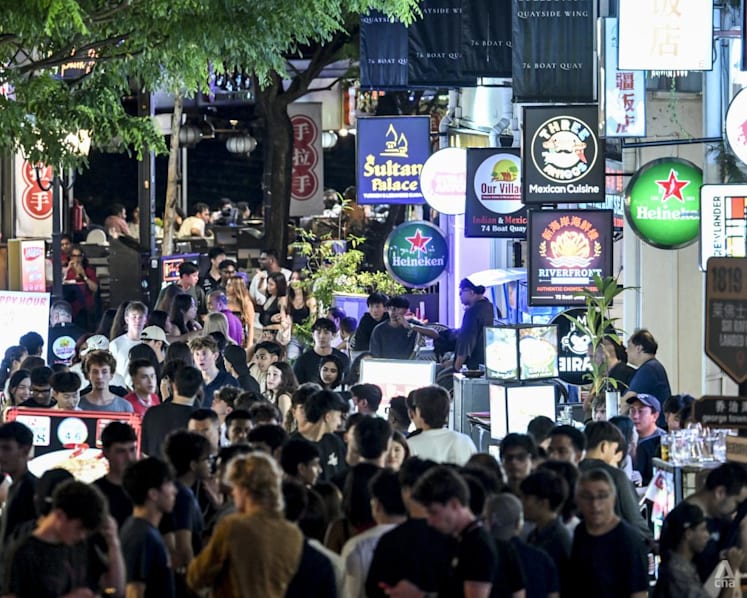
4am liquor sales in Boat Quay, Clarke Quay to continue following year-long trial
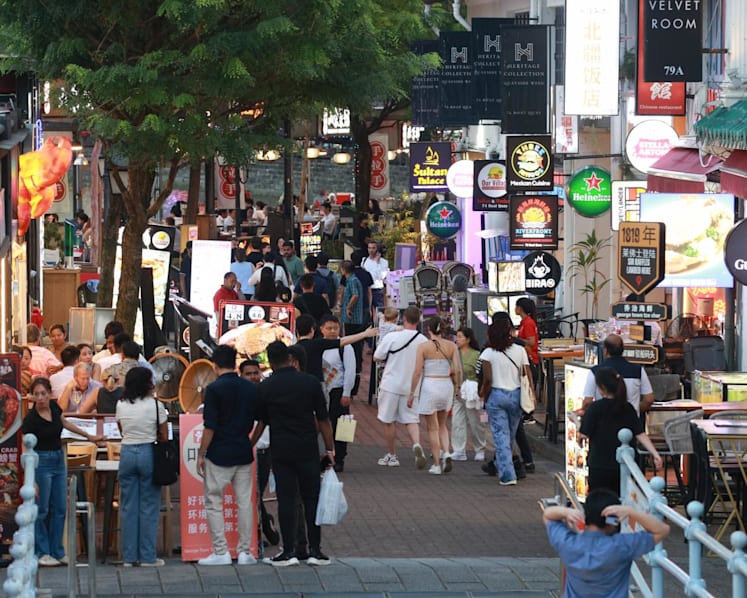
The police approved 92 applications from establishments at Boat Quay, Clarke Quay and Upper Circular Road to extend their liquor trading hours.
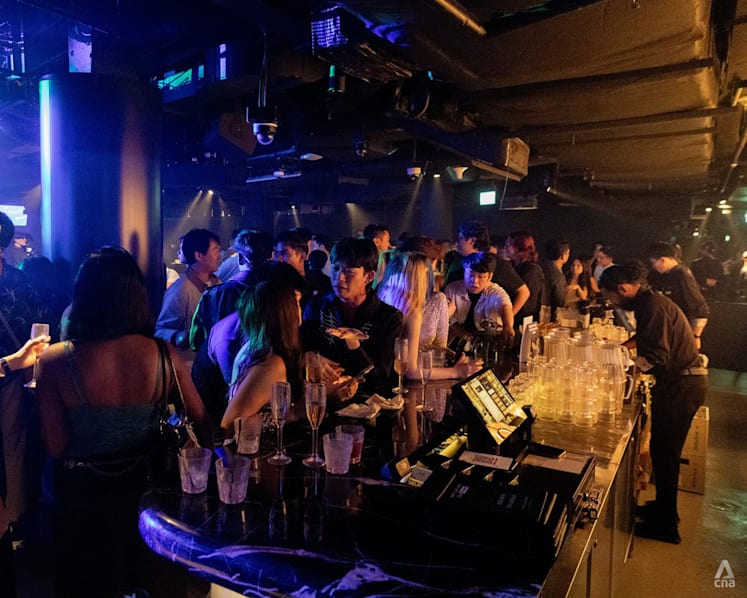
Party goers at Zouk nightclub at Clarke Quay during its official reopening event on Jun 17, 2026. (Photo: CNA/Ili Mansor)

This audio is generated by an AI tool.


SINGAPORE: Bars along parts of the Singapore River will be allowed to continue selling alcohol until 4am on Fridays and Saturdays after a year-long pilot, Minister of State Alvin Tan said on Monday (Aug 17).
Mr Tan, who holds the portfolio for national development and foreign affairs, said the measures would be formalised and take effect from Tuesday, following “encouraging results” at the Boat Quay Historic District, Upper Circular Road area and Clarke Quay Conservation Area.
The extended hours were part of a nightlife revitalisation trial that began on Aug 18 last year, alongside road closures at Circular Road for events and pedestrian-friendly activities, and applications to open new bars, pubs and nightclubs along the Boat Quay Historic District. The district comprises the Boat Quay Waterfront, Circular Road, Lorong Telok and Canton Street.
“We received strong interest from businesses, and our agencies have been working very closely with applicants to ensure that they comply with the regulatory requirements,” he said.





Mr Tan said that the measures will help Singapore’s tourism and nightlife offerings become more attractive.
“It will support business vibrancy and also create good jobs in this sector,” he added.
The Ministry of Trade and Industry, Ministry of National Development and Ministry of Home Affairs said in a press release that between August last year and June this year, the Urban Redevelopment Authority approved 37 applications for new nightlife uses in the Boat Quay Historic District.
Police also approved 92 applications to extend liquor trading hours across the three participating zones.
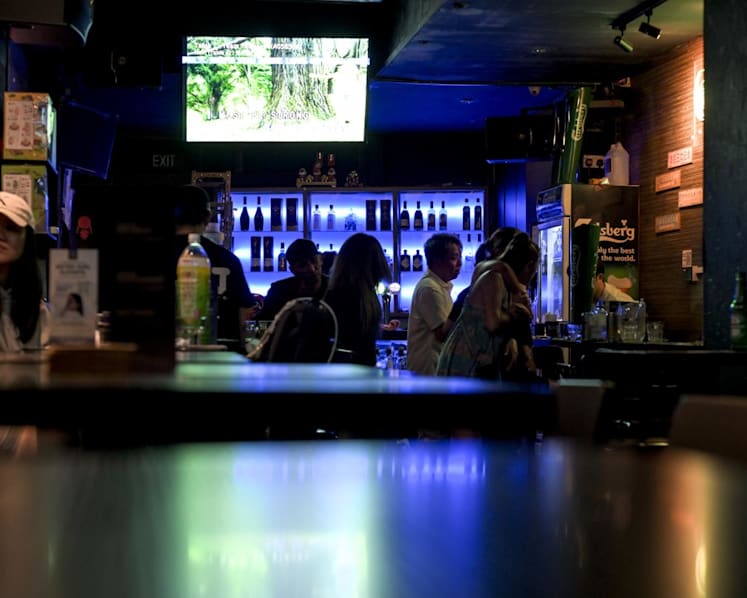
STABLE LAW-AND-ORDER SITUATION
Mr Tan also emphasised that safety and security remain the priority, amid the revitalisation efforts.
“That’s why the government will continue to work with the different stakeholders to maintain a safe environment for businesses, patrons and residents alike,” he said.
The ministries said the law-and-order situation had remained stable during the pilot.
A previous trial allowing alcohol sales until 4am on Saturdays in Clarke Quay was introduced in 2018, but ended after four months when police found that certain public order offences had increased.
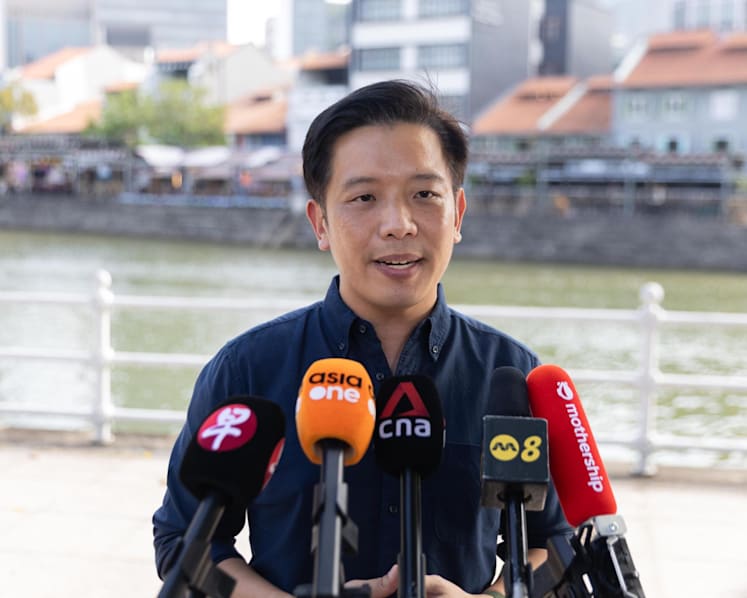
Mr Tan said that during the recent trial, the authorities worked closely with the police, the Singapore Nightlife Business Association and the Singapore River One group to ensure that the precinct remains safe.
When the pilot was launched, the ministries said the Singapore River One (SRO) group would assist with security patrols in the participating areas. The organisation was created in 2012 as the place manager of the Singapore River precinct, which covers Boat Quay, Clarke Quay and Robertson Quay.
“With support from local stakeholders in stepping up security patrols, the law-and-order situation in the precinct has remained stable throughout the pilot,” the ministries said, adding that the measures were being formalised following “positive response and feedback received from local stakeholders”.
The government will continue working with local stakeholders to build up nightlife vibrancy in the Boat Quay Historic District and neighbouring areas, the ministries said, while stressing that “public safety and security remain a priority”.
“The respective agencies will continue to work with local stakeholders on security measures to ensure law and order as well as responsible management of the nightlife spaces and public areas at these locations," they added.
Ms Michelle Koh, executive director of Singapore River One, said that safety and security is a key consideration moving forward, since the initiative “is now a permanent thing”.
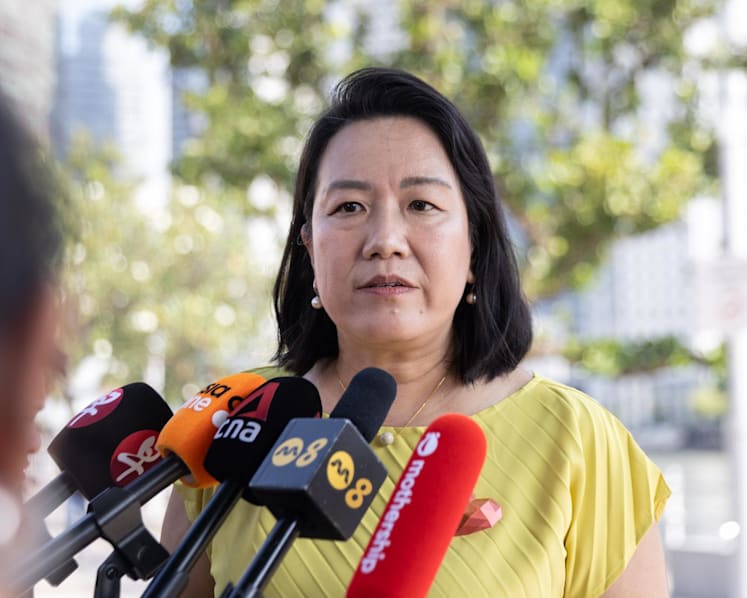
She shared that SRO has employed five security officers to patrol the area from 7pm to 3am daily. The monthly cost of S$20,000 is borne by the organisation.
“It's not the cheapest. However, we decided to move ahead with this cost in order to move the needle,” she said, adding that it has helped alleviate the government agencies’ concerns.
Ms Koh added that over the course of the pilot, the participating areas had seen a 10 per cent increase in footfall, though it is unclear whether they all go to the bars to drink.
A WIDER NIGHTTIME ECONOMY
Ms Koh noted that the formalising of the measures will help nightlife players in their business decisions.
“We know that the F&B industry has not been so well. But what this extension of alcohol licence means is that they have the wriggle room to check out new concepts, both for the operators and the landlords,” she said.
This hence gives them greater certainty to go ahead with their plans and have a more solid concept moving forward, she said.
Singapore Nightlife Business Association (SNBA) president Danny Loong said the formalising of the measures is part of the plan to focus on not just nightlife, but all nighttime activities.
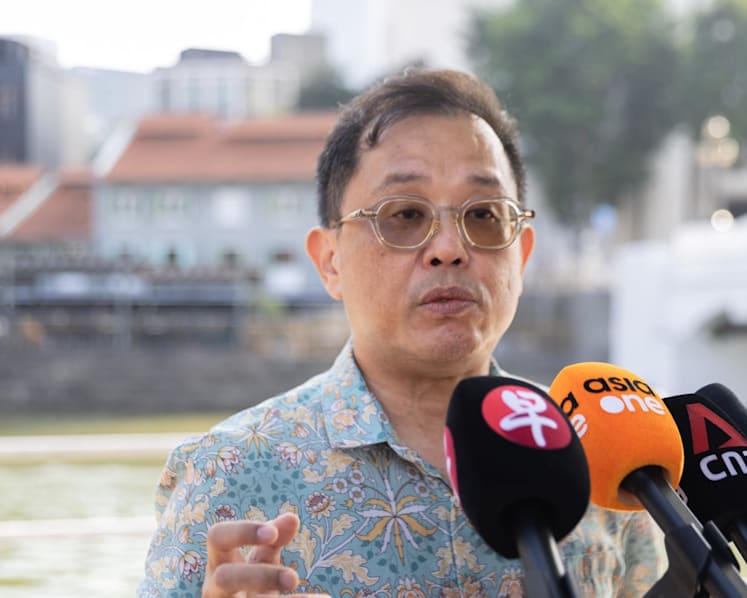
Besides bars and clubs, there are also places like coffee shops and community events where people hang out after dark, he said.
“So this is a great encouragement for us. I'm very happy with the news,” he said.
The extended liquor sales, for example, give operators the option to open later. While it is ultimately up to them whether to do so, it adds to the vibrancy of the sector, said Mr Loong.
Moving forward, the SNBA will work with SRO to support them in their events, such as music festivals or coffee parties, said Mr Loong.
“We don't really mind, as long as we have Singaporeans come out, enjoy the precinct, and also the businesses get to enjoy the football. So, I think, really it’s an overall collective strategy,” he said.
He added that his association is making certain proposals to the authorities on how to further boost the nightlife sector, including concerns over transport and getting back home after a night out.
Ultimately, the night time is not just defined by one thing, noted Mr Loong.
Citing the example of the recent football match played by the Singapore national team, Mr Loong said that after the game, people may have headed out for supper at coffeeshops too.