



Singapore’s AI-led economic growth set to continue in 2027: MAS
Activity in technology-related sectors is expected to moderate next year, but should remain a principal driver of economic growth, said the central bank on Wednesday (Oct 14).

This audio is generated by an AI tool.


SINGAPORE: Artificial intelligence-driven expansion of Singapore’s economy is projected to continue next year, though the pace of growth may slow down, the Monetary Authority of Singapore (MAS) said on Wednesday (Oct 14).
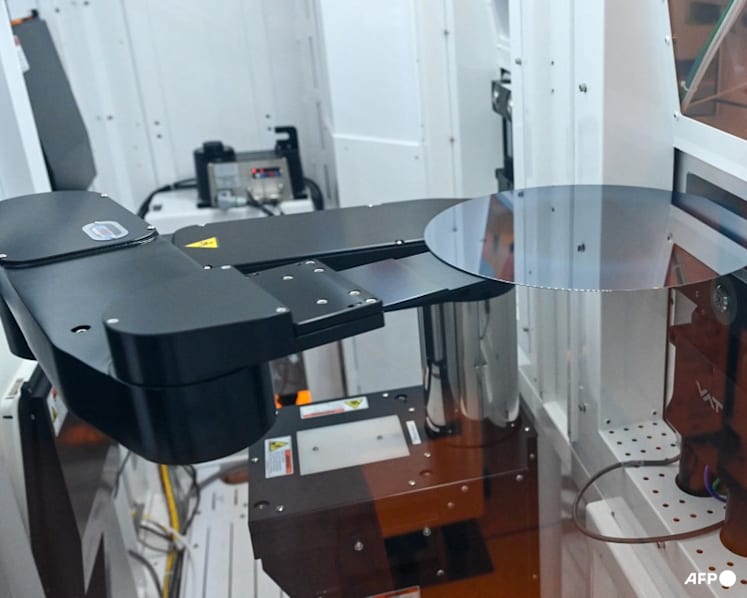
Growth should be supported by strong order backlogs and capacity expansions in AI-related production, the central bank said in its latest quarterly macroeconomic review.
While activity may moderate compared with the “exceptional pace” in 2026, it should remain a “principal driver” of growth, said MAS.
Singapore’s economy grew 5.4 per cent in the third quarter of the year, after expanding 6.2 per cent in the second quarter, said the Ministry of Energy, Trade and Industry in its advance estimates on Wednesday.
“The technology-related sectors continued to expand robustly, accounting for around 75 per cent of overall (year-on-year) growth,” MAS said, describing the growth as “relatively concentrated”.
Tech-related sectors experienced “outsized expansion”, while non-tech and non-oil sectors saw “mixed” growth, the report said.






CAN AI-LED GROWTH CONTINUE?
The durability of the current economic expansion hinges on three key considerations, said MAS.
The first is the sustainability of the AI-driven global investment cycle. On this point, indicators constructed by the central bank’s economic policy group suggest that strong semiconductor production growth has persisted despite financial pressure on hyperscalers.
“While this points to rising downside risks, current strains remain short of levels that would suggest an imminent retrenchment in AI investment,” said MAS.
Even if capital expenditure is affected by financial vulnerabilities, there are substantial order backlogs and capacity expansions that have been committed to, which would cushion the near-term impact on production.
Industry forecasts for chip sales growth, together with increases in new orders, suggest that the AI-led semiconductor cycle is more likely to remain in a phase of expansion, said MAS.
The second consideration affecting the durability of Singapore’s current economic expansion is whether capacity constraints in the technology-related sectors will constrain the pace of further growth.
The central bank noted that significant additions are expected to come online in 2027 and 2028.
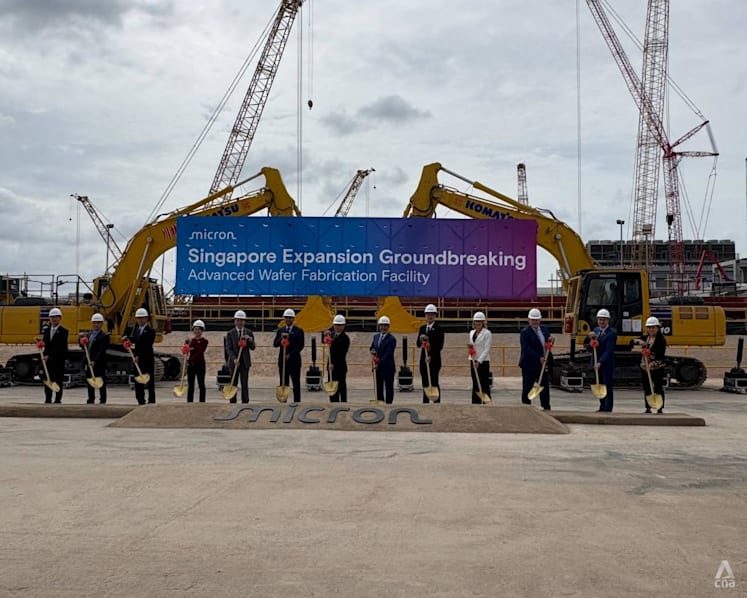
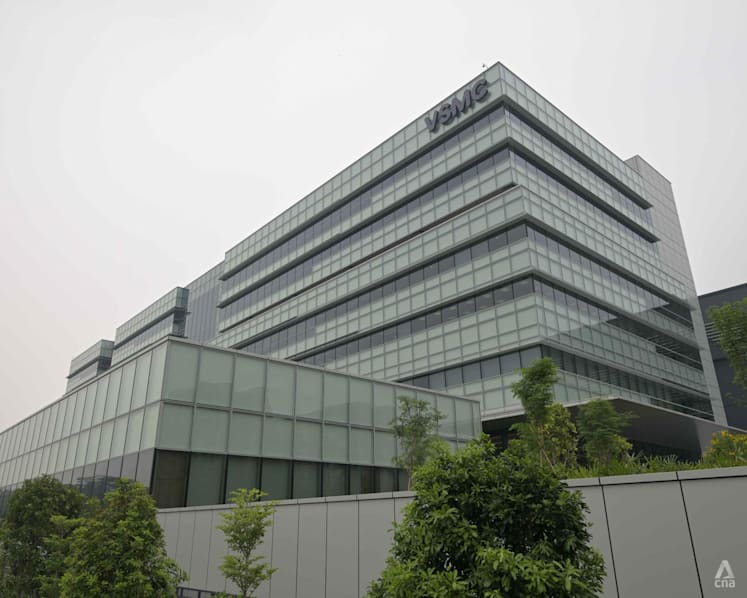
For example, Micron has embarked on multi-year investments, while GlobalFoundries and UMC are ramping up capacity.
“As additional production capacity comes onstream, firms could ramp up output further,” said MAS.
Thirdly, MAS said the sustained strength and the positive impact on overall business confidence and investment sentiment could support other parts of the economy.
“Sanguine business and investor sentiments would sustain robust financial intermediation and trading activity, contributing to firm growth within the financial sector,” it said, though it acknowledged that higher global interest rates could temper credit demand.
Overall, MAS believes that AI-led expansion will continue into 2027.
LABOUR MARKET OUTLOOK
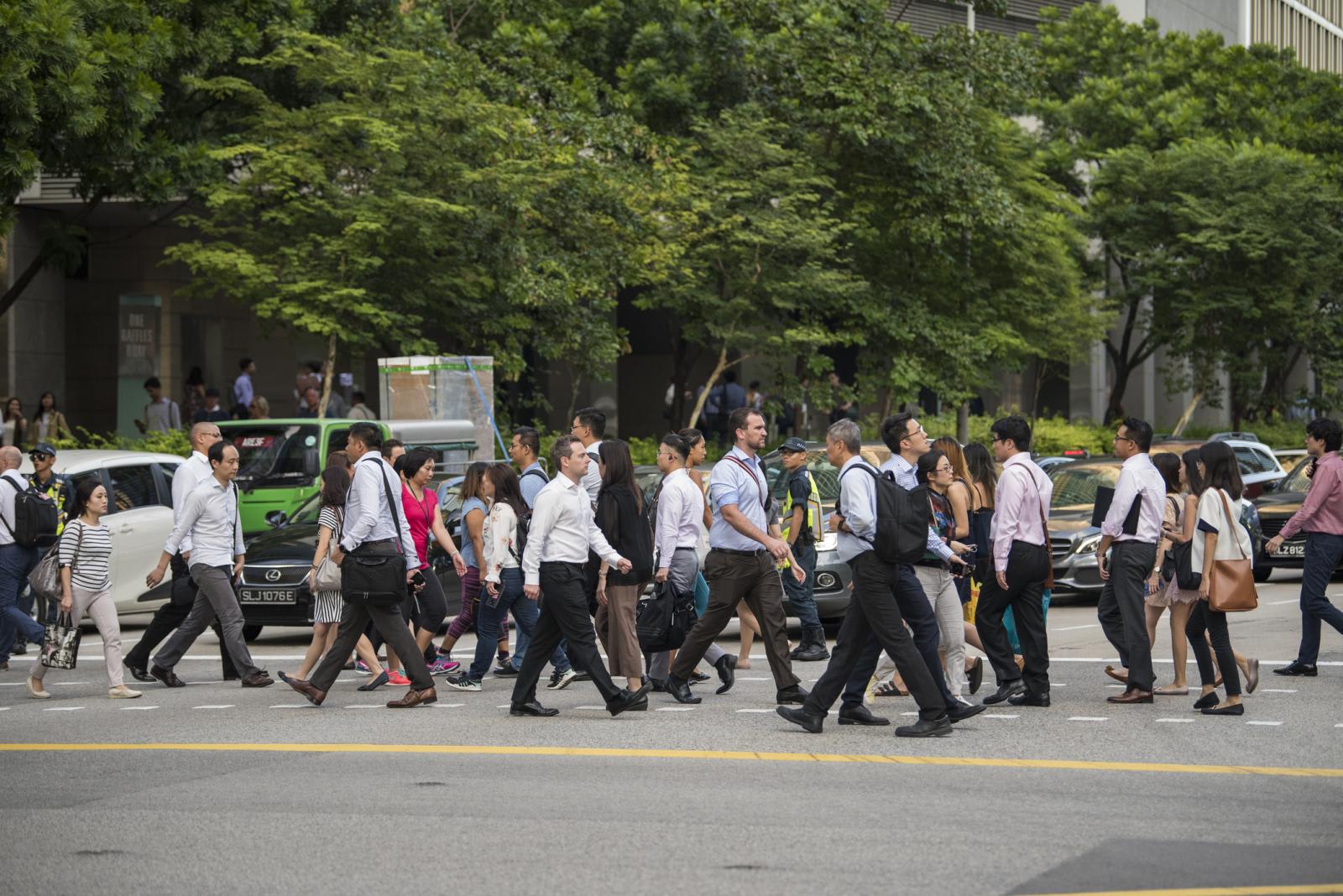
Labour demand is expected to be supported by construction and domestic-oriented services next year, said MAS in the report.
Ongoing major infrastructure and building projects will support demand for workers in construction and in segments of professional services such as architectural and engineering services.
Employment in public administration and education is also expected to increase as plans to expand pre-school services take shape, while demand for financial investment activity, insurance and healthcare should boost hiring as well.
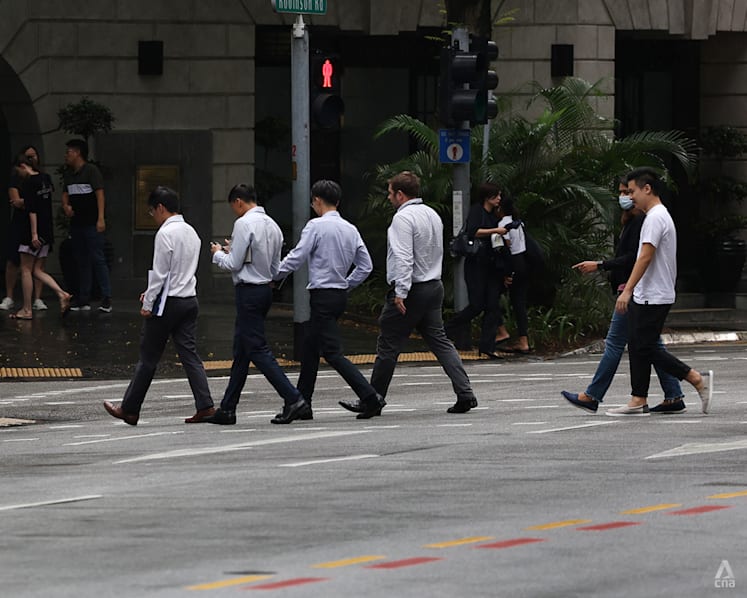
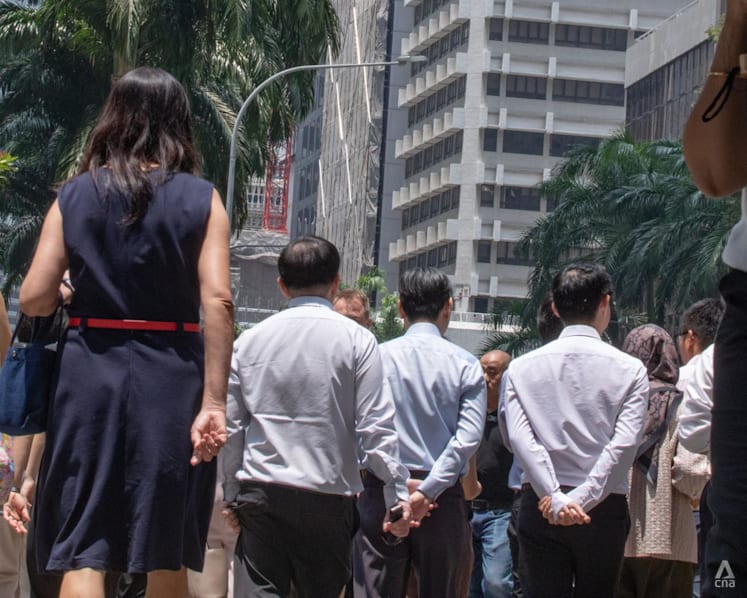
However, nominal wage growth is expected to moderate to levels broadly in line with the historical norm.
Despite firms planning to hire more, the share of companies that intend to raise wages edged down in the Manpower Ministry’s latest survey.
“Cyclically low resignation rates indicate limited job-to-job mobility, reducing pressure on firms to raise wages to retain workers,” the report said.
INFLATION TO EASE IN 2027
Despite the re-escalation of the Middle East conflict, MAS said oil and non-oil imported inflation are forecast to ease gradually over 2027 after remaining elevated in the near term.
Fuel prices are expected to remain high in the immediate months ahead, but as oil and gas flows normalise, prices of energy products are expected to moderate.
Similarly, weather-related disruptions could lift prices further, but food inventories in major producing countries should temper the extent of the increases.
“In the latter part of 2027, as the temporary weather-related shocks to agricultural production dissipate, the inflation impact on Singapore’s food prices is expected to fade progressively,” said MAS.