China’s top legislator promotes ‘Asian security model’, positions Beijing as global growth driver
In a keynote address at the Boao Forum for Asia on Thursday (Mar 26), Zhao Leji also pushed back against what he described as power politics and bullying in the international landscape.

This audio is generated by an AI tool.


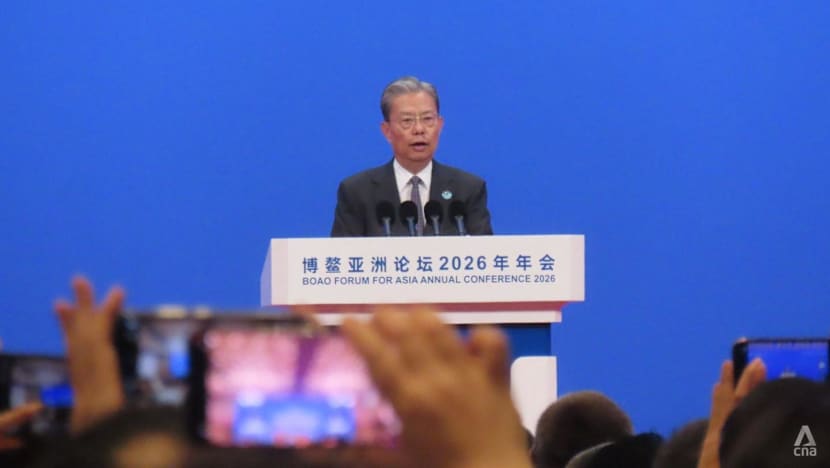
BOAO, Hainan: China’s top legislator Zhao Leji has called for an “Asian security model” based on dialogue and non-interference amid a fraught geopolitical landscape, while casting Beijing as a steady driver of global growth focused on improving livelihoods at home and abroad.
“We should respect the sovereignty and territorial integrity of all countries, adhere to non-interference in internal affairs, and resolve differences through peaceful means … to build an Asian security model based on dialogue and consultation,” Zhao said on Thursday (Mar 26) in a keynote address at the Boao Forum for Asia in China’s tropical Hainan province.
Positioning Asia as a key pillar of stability, Zhao, who is the chairman of the standing committee of China’s National People’s Congress, called on countries in the region to deepen integration and maintain stable supply chains.
“Asian countries have forged a path of mutual benefit and win-win cooperation, creating an ‘Asian miracle’,” he said in a speech that lasted around 15 minutes.





At the same time, Zhao pushed back against what he described as power politics and bullying, urging countries to reject bloc confrontation and deepen cooperation.
While no country was named, his comments come amid the United States’ increasingly unilateral approach under President Donald Trump, including the use of tariffs.
Washington also recently carried out a military operation in Venezuela, seizing its leader, and is currently embroiled in an escalating conflict with Iran.
“We should uphold true multilateralism … and work towards a more just and equitable global governance system,” Zhao said, echoing remarks made by other senior Chinese officials in recent months.
Turning to China’s domestic agenda, Zhao said the country remains focused on economic development and improving people’s livelihoods, while contributing to global growth through its own progress.
He highlighted China’s push to become a global leader in innovation, saying the country would “pursue innovation-driven development and continuously unlock new growth drivers”, including through advances in areas such as artificial intelligence and quantum technology.
At the same time, he underscored efforts to support businesses and attract investment, pledging to further open China’s market and improve the business environment.
Zhao said China would “continue to host major international trade and investment platforms”, citing as an example the Asia-Pacific Economic Cooperation (APEC) summit set to be held in Shenzhen in November this year to boost regional cooperation.
He also pointed to the Hainan Free Trade Port as a key gateway for China’s opening-up.
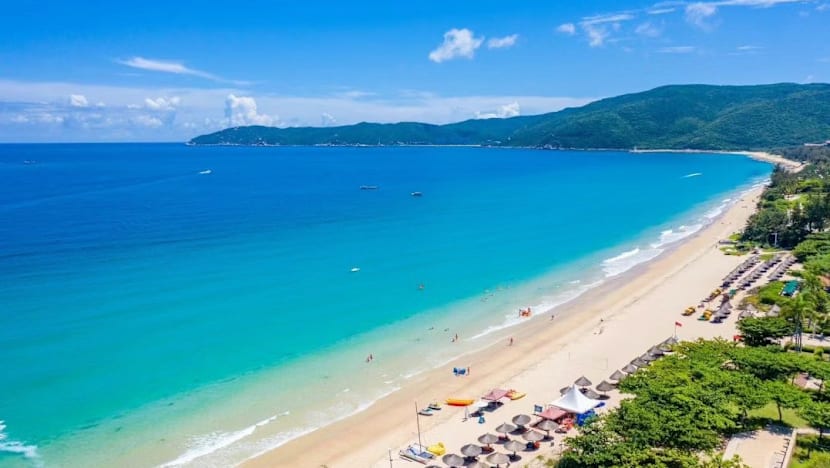
The Boao Forum for Asia is often described as Asia’s equivalent of the Davos World Economic Forum, bringing together leaders from government, business and academia to discuss global issues.
Other speakers at the forum on Thursday included Singapore Prime Minister Lawrence Wong, who called on China to champion open, rules-based trade and support regional stability as global fragmentation deepens.
South Korea’s Prime Minister Kim Min-seok also delivered a speech at the forum.
In a video address, he highlighted three priorities - innovation, institutions and interconnection - as countries navigate rising global uncertainty.
He highlighted South Korea’s role in advancing emerging technologies, including AI, as part of efforts to drive growth and strengthen digital governance, saying countries should “apply innovative technologies … and establish trustworthy digital governance”.
Kim had been scheduled to attend the conference in person, but cancelled the trip to oversee an emergency economic task force set up in response to the escalating Middle East conflict.
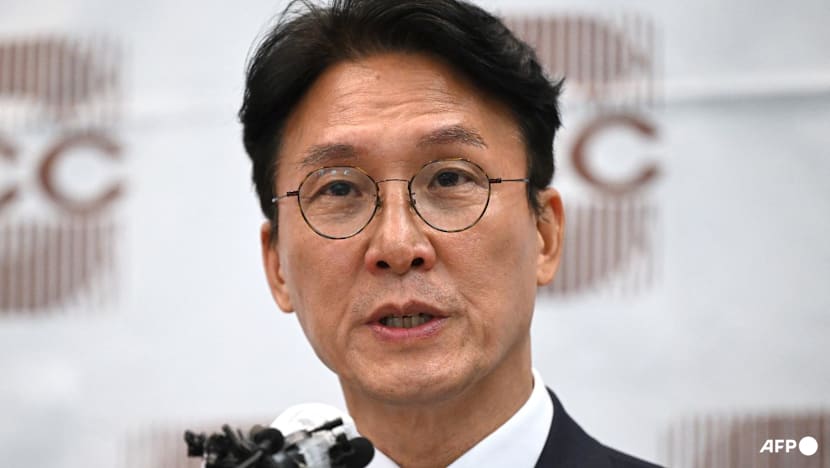
He said regional platforms such as APEC and the Regional Comprehensive Economic Partnership could help improve trade predictability and strengthen supply chain resilience amid growing uncertainty.
Kim also touched on bilateral ties between South Korea and China.
“Korea and China are like ships sailing together in the same sea, heading in the same direction,” he said, adding that this spirit of cooperation applies not only to the two countries, but across Asia.
“Only when countries in the region rally together based on trust will we be able to turn these challenges into new opportunities.”
He added that “regional cooperation is not completed solely through agreements between governments”, stressing the importance of people-to-people ties in sustaining long-term trust.
Around 2,000 representatives from over 60 countries and regions are attending this year’s conference, which runs from Mar 24 to 27.
Founded in 2001, the Boao Forum for Asia has become a key platform for China to outline its priorities and engage regional partners.
The forum marks its 25th anniversary this year, with the theme being "Shaping a Shared Future: New Dynamics, New Opportunities, New Cooperation".