





Presented by

HOW PAN-UNITED IS LAYING
THE FOUNDATIONS FOR
THE FUTURE OF CONCRETE
Content share and bookmark
From lower-carbon materials to AI-powered operations, the company has transformed itself from a ready-mix concrete producer into an innovation-led business.
Concrete is the most widely used man-made material in the world. As the built environment looks to reduce its carbon footprint, attention is turning to how the material itself is made and used.
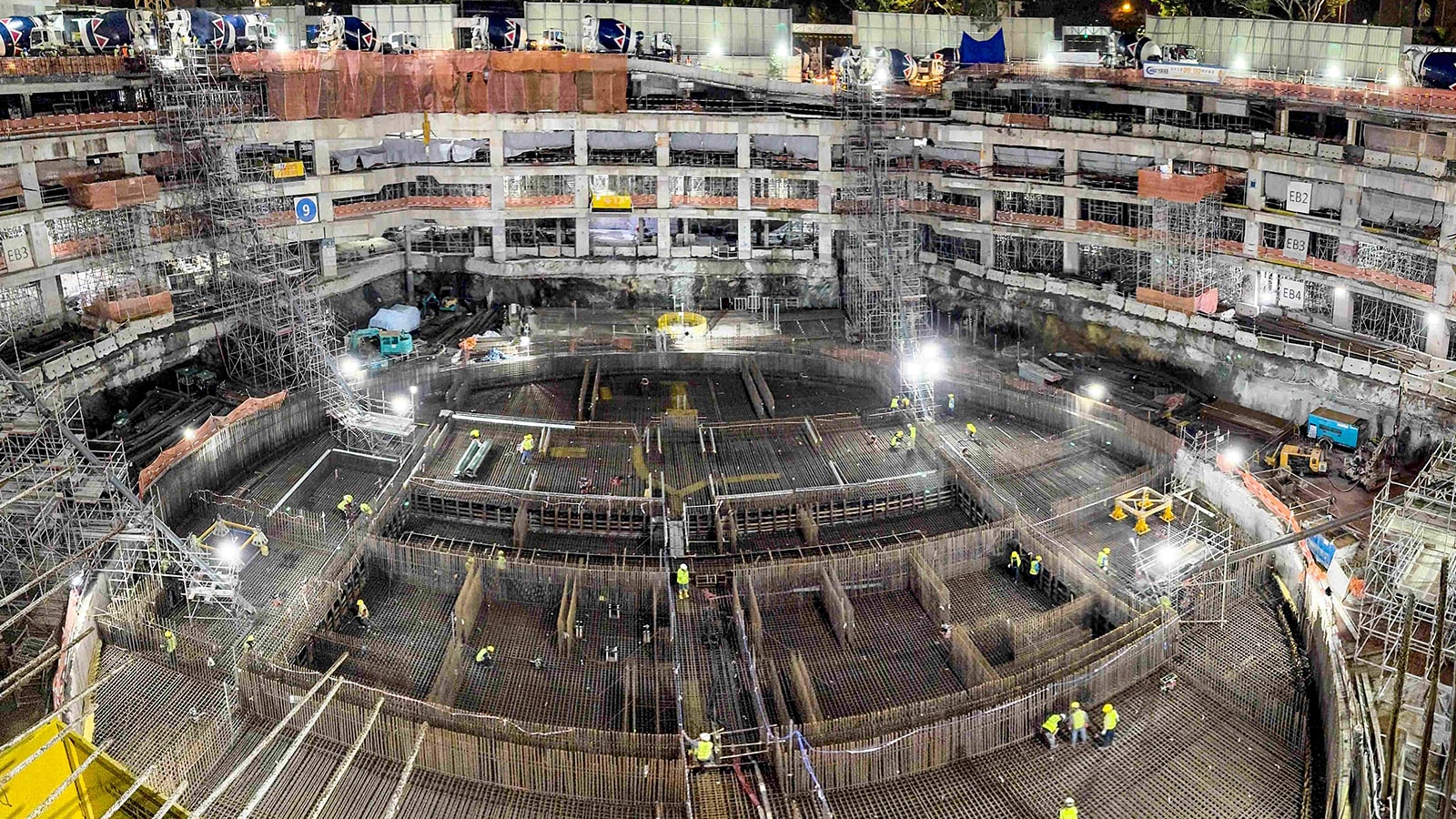
Pan-United Corporation, one of the top five concrete suppliers in Asia excluding China, is addressing this through innovation in materials and technology. At the mass pour for the construction of The Skywaters’ raft foundation last year, the company delivered a truckload of concrete every two minutes for 35 hours non-stop. The project also used specialised grades such as Pan-United’s proprietary PanU Super Hi-Strength concrete, reducing the amount of concrete required and, in turn, the carbon footprint of the foundation.
The operation reflects a transformation more than two decades in the making. Once known primarily as a ready-mix concrete producer, Pan-United has evolved into an innovation-led concrete company developing advanced materials, digital technologies and lower-carbon solutions.
INNOVATION ON TWO FRONTS
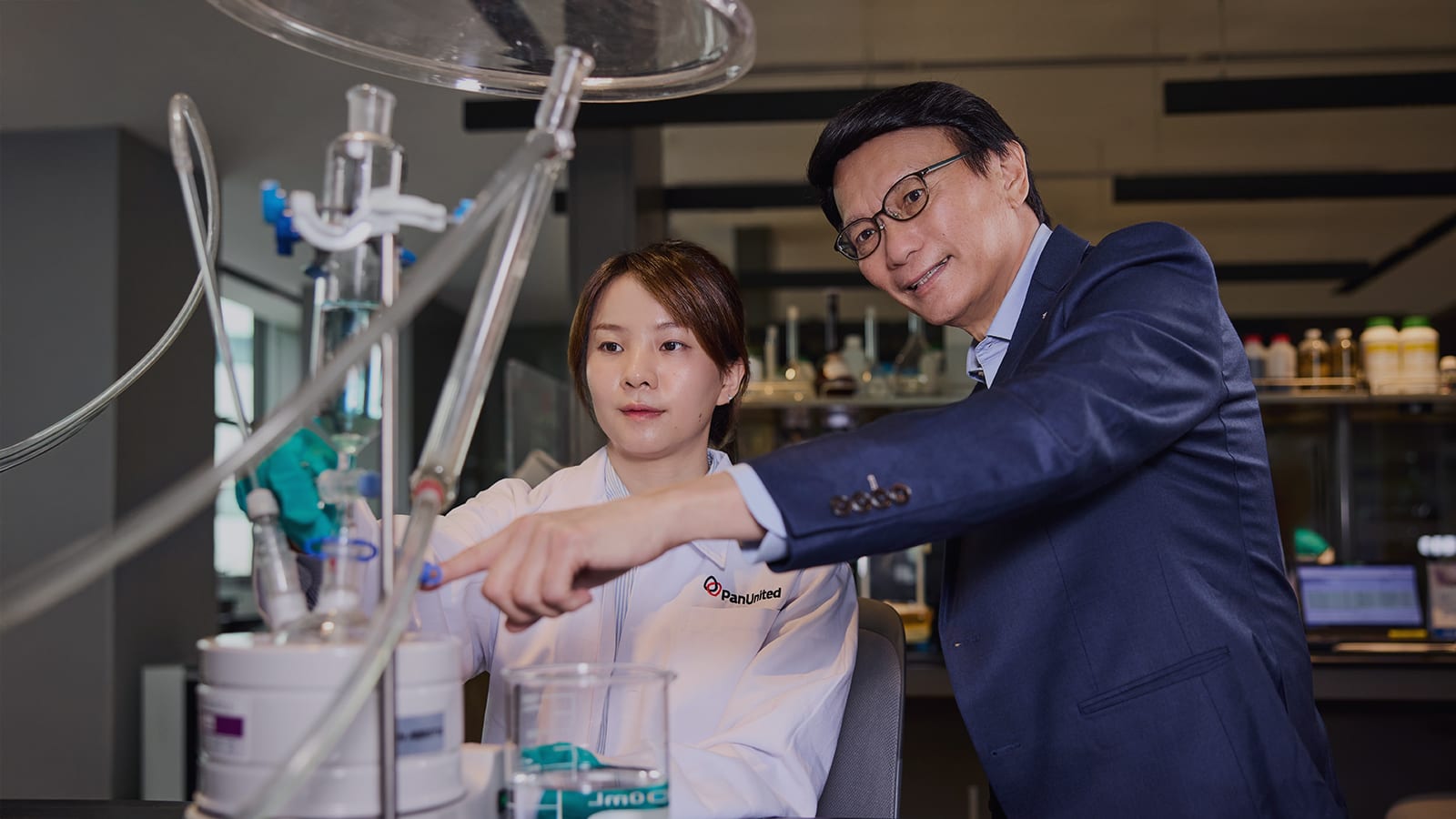
CEO Ken Loh said the company recognised early that staying relevant meant looking beyond conventional ready-mix concrete. “Once we started thinking differently about the business, two opportunities emerged,” he said. “One was product innovation – developing better, more sustainable concrete solutions. The other was process innovation – rethinking how we produce and deliver these solutions.”
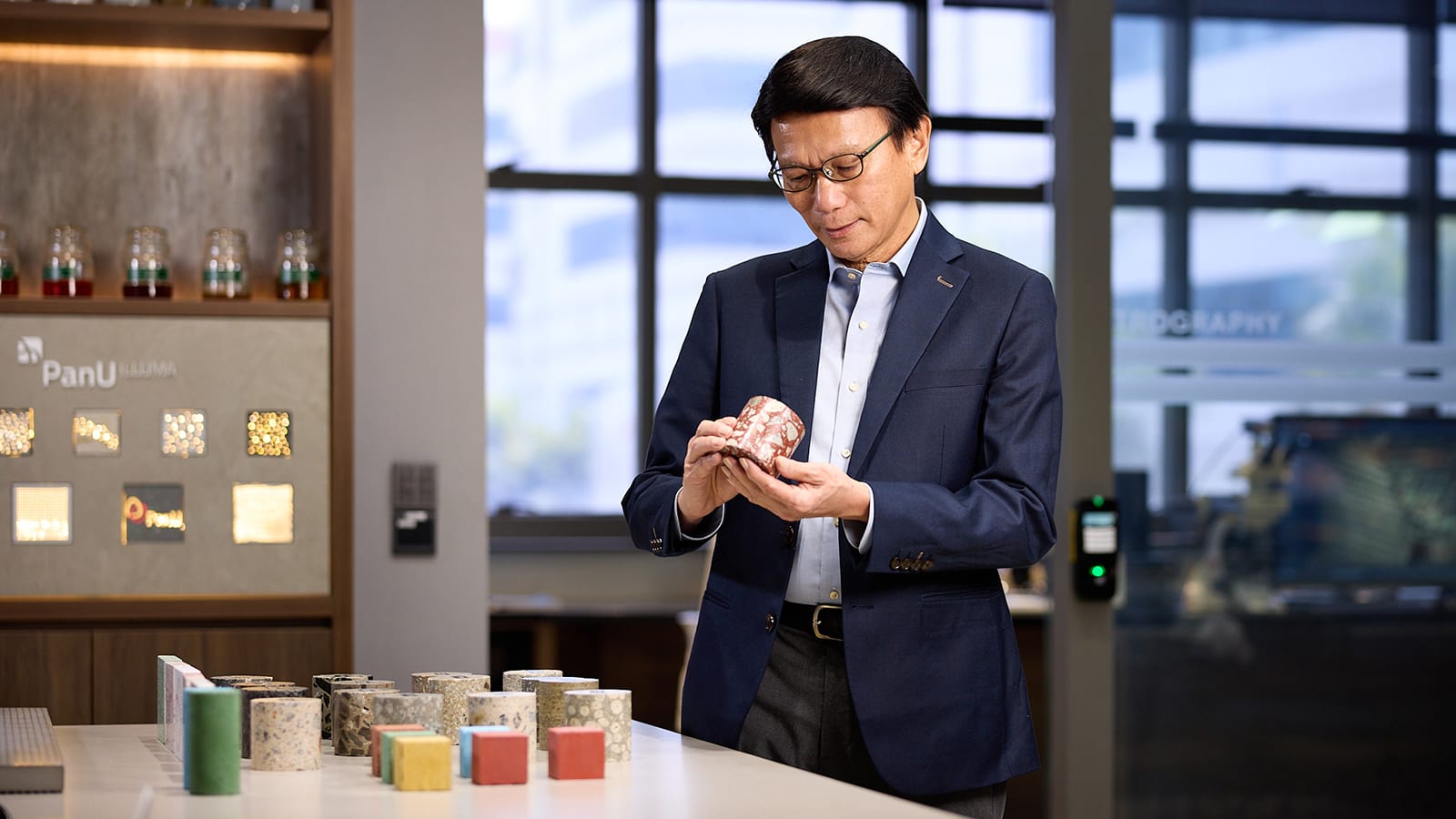
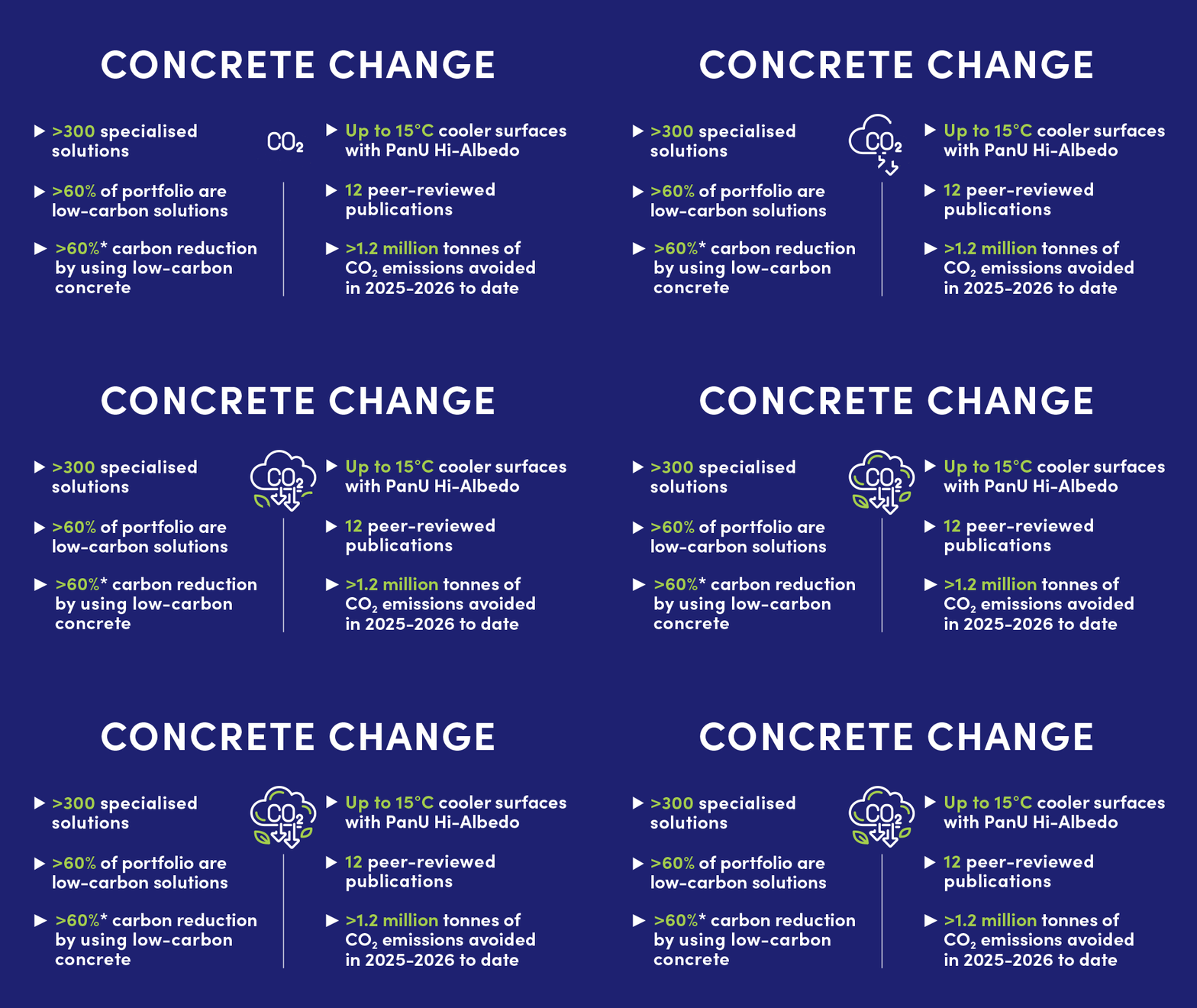
Product innovation began with research and development to reduce cement use in 2001, years before low-carbon construction became a global priority. Besides widening the use of lower-carbon cementitious materials, Pan-United also developed specialised grades such as PanU Super Hi-Strength concrete. These use less concrete and can further help reduce the carbon footprint of building and infrastructure projects.
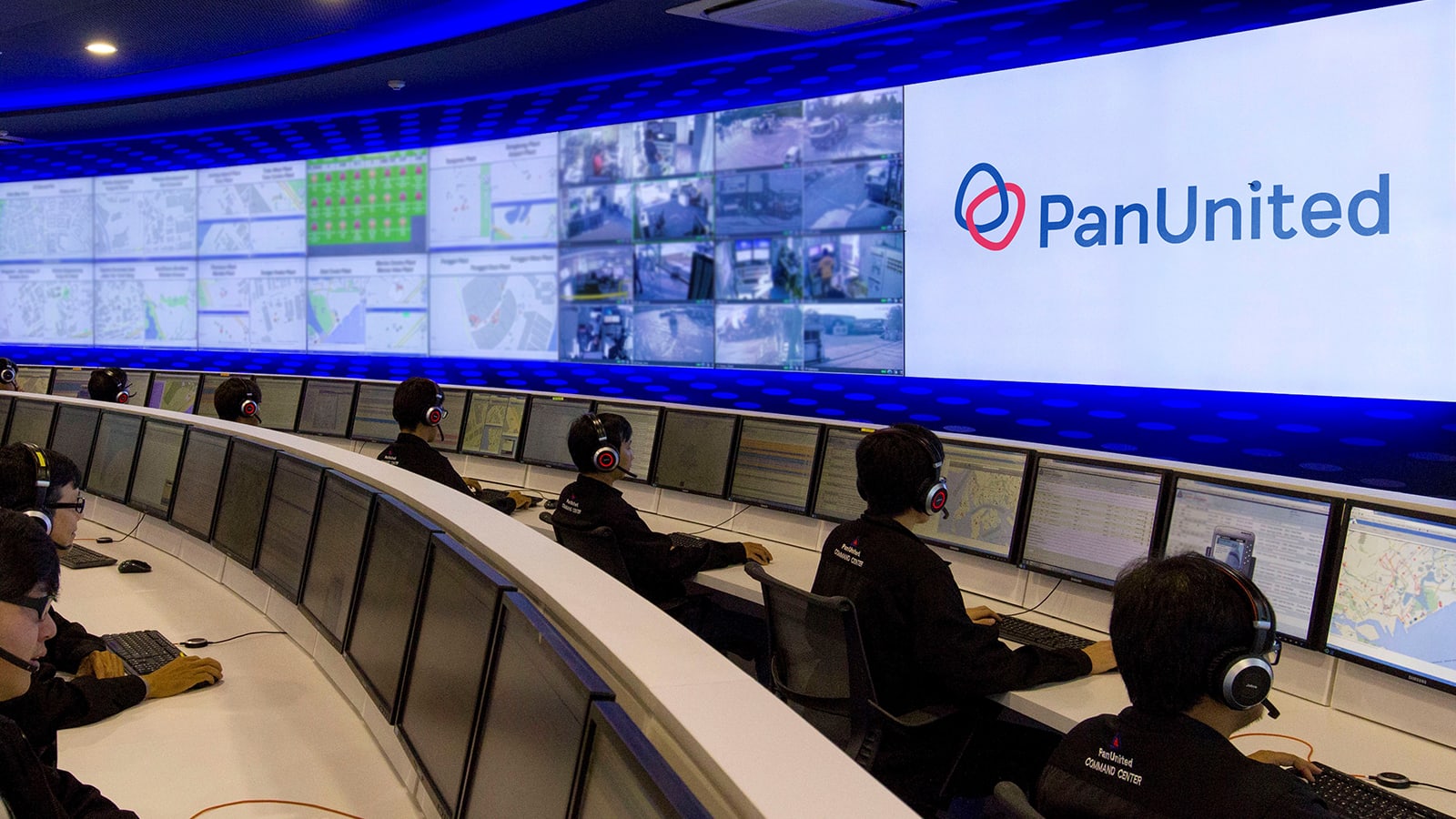
The company began digitising its operations in 2014 to manage the growing complexity of its business. As concrete remains workable within a narrow two-hour window, thousands of truckload deliveries across different mix designs have to be precisely timed and coordinated each day.
To tackle the constant operational pressures, the company developed AiR Digital. What began as an in-house operations platform has since expanded to support a growing customer base across the concrete and logistics sectors in Asia. “We solved our own operational challenges so well that we created a technology business from it,” said Mr Loh.
CHANGING MINDSETS, NOT JUST MATERIALS
Globally, around 30 billion tonnes of concrete are used each year, making it the world’s most widely used man-made material. Although cement as a raw material accounts for only about 15 per cent of a typical concrete mix, its production generates an estimated 7 to 8 per cent of global carbon dioxide emissions. Yet any effort to reduce cement must first satisfy an industry where performance and safety cannot be compromised.
“Construction is naturally a conservative industry because buildings and infrastructure are expected to be safe, reliable and built to last,” said Mr Loh. “New materials or technologies must first demonstrate the same standards of strength, durability and quality before they can gain industry acceptance.”
That meant challenging a long-held assumption: that concrete is a commodity. Pan-United instead approached it as an engineered material. “Every project has different requirements, and every concrete mix can be designed to achieve specific structural, durability and sustainability outcomes,” he added.
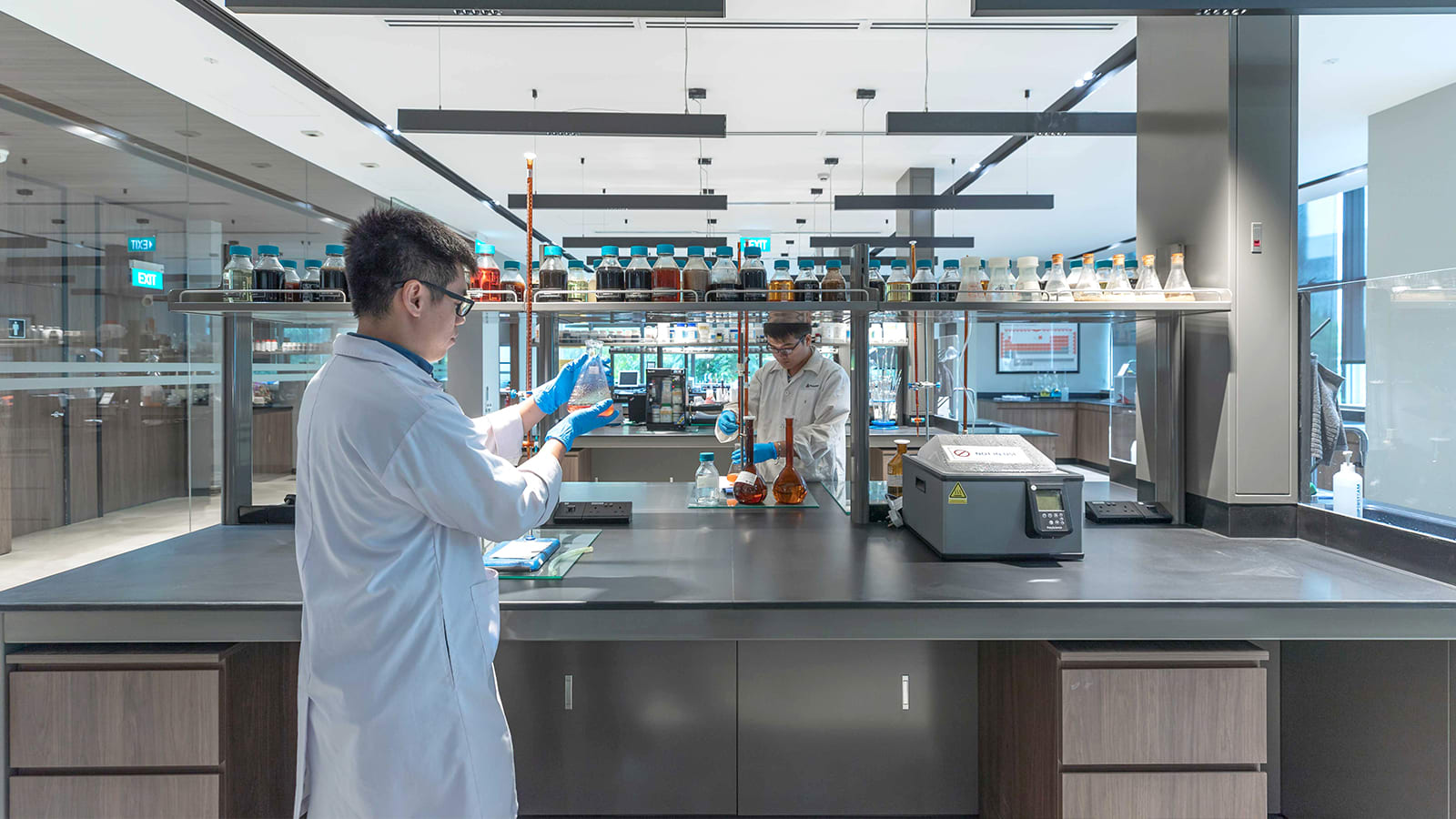
The next step was overturning the perception that lower-carbon concrete comes at the expense of performance. Pan-United said its low-carbon concrete solutions can now match – and in some cases exceed – the strength and durability of conventional concrete.
PanU CMC+ is one example. It uses carbon capture and utilisation technology to mineralise captured carbon dioxide within concrete, reducing cement consumption while improving strength. The technology is now used in major projects, including Tuas Port, the Cross Island Line, Changi Airport Terminal 5 and The Skywaters.
Pan-United’s in-house Innovation Centre continues to expand the company’s portfolio. One of its latest innovations is PanU Hi-Albedo, developed to help mitigate the urban heat island effect. This specialised concrete helps reduce surface temperatures on roads, walkways and cycling paths, and lowers outdoor ambient temperatures.
In 2022, the company became the first concrete company in Asia to offer on-demand Environmental Product Declarations, giving customers independently verified data for material selection and sustainability reporting.
NO COMPANY TRANSFORMS ALONE
Innovation rarely succeeds in isolation, said Mr Loh. “For technology to create meaningful value, it must be technically proven, commercially viable and trusted by customers, regulators and the wider industry.”
Investing in innovation has also required Pan-United to communicate its longer-term strategy to investors. Through regular disclosures and investor engagement, including SGX-led conferences and forums, the company has sought to explain how investments in innovation and technology support its strategy and future growth.
“A strong growth story must be supported by consistent execution,” said Mr Loh. “Our role is to communicate that story clearly, so investors understand not only our current performance, but also the long-term value we are creating. Our direction is clear – to decarbonise the built environment and to become the global leader in low-carbon concrete technologies.”
THE VALUE UNLOCK JOURNEY
The SGX-MAS Value Unlock initiative helps companies take a structured approach to identifying, communicating and realising long-term value. The journey typically unfolds in three stages:
1. Diagnosis and assessment
Review business strategy, capital efficiency and market positioning to identify where value may be underrecognised or underdeveloped.
2. Strategy building
Develop a clear roadmap for growth, sharpen the company’s equity story and strengthen investor communications.
3. Market engagement
Bring that story to investors through targeted engagement with fund managers, brokers, industry networks and the media, as well as company site visits.
Looking ahead, Mr Loh believes the industry’s biggest challenges – from labour shortages to climate change – will also create its biggest opportunities. As developers and industry stakeholders place greater emphasis on sustainability, demand for low-carbon construction materials is expected to grow, while automation, electrification and digital technologies will play a bigger role in improving productivity.
Pan-United intends to continue investing on both fronts: expanding its portfolio of low-carbon concrete solutions while bringing its operational expertise to other sectors.
“Although concrete helped build civilisation for thousands of years, we believe its future has never been more exciting,” said Mr Loh. “Innovation, sustainability and technology will shape that future. But technology is only an enabler – it is people who make sound decisions, build trusted relationships and turn ideas into lasting value.”

