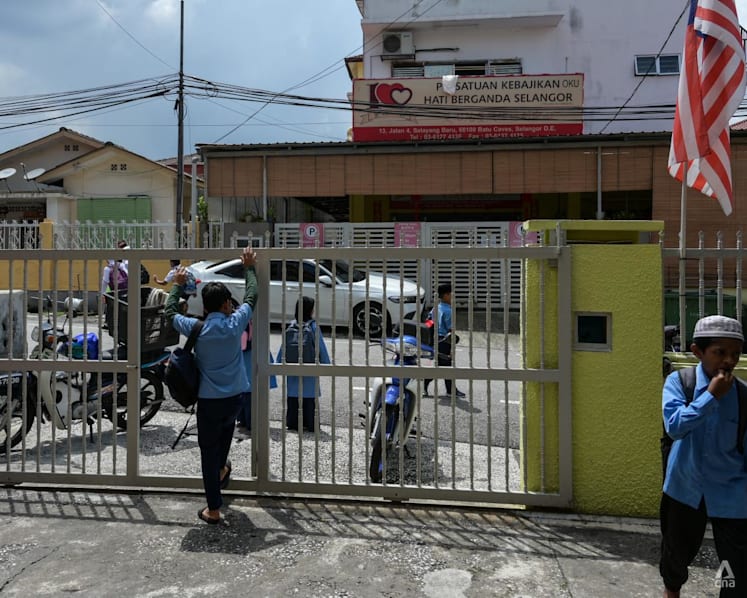
IN FOCUS: 'I cannot go back' - Myanmar refugees fear repatriation as country gets cosier with Malaysia, Thailand
Thailand and Malaysia have been a safe haven for hundreds of thousands of Myanmar nationals fleeing conflict, but recent developments have stoked worries among the refugees.
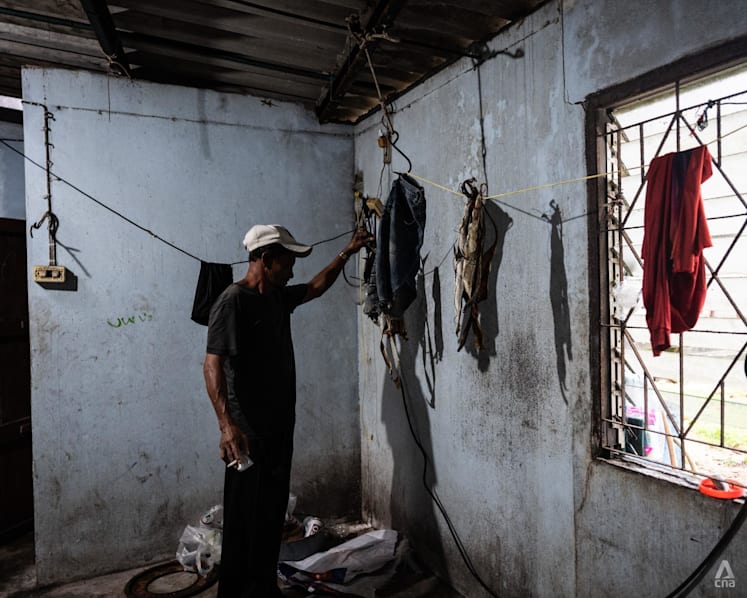
A Myanmar refugee dries his laundry inside a dormitory for displaced Myanmarese in Thailand. (Photo: CNA/Wisnu Agung Prasetyo)

This audio is generated by an AI tool.



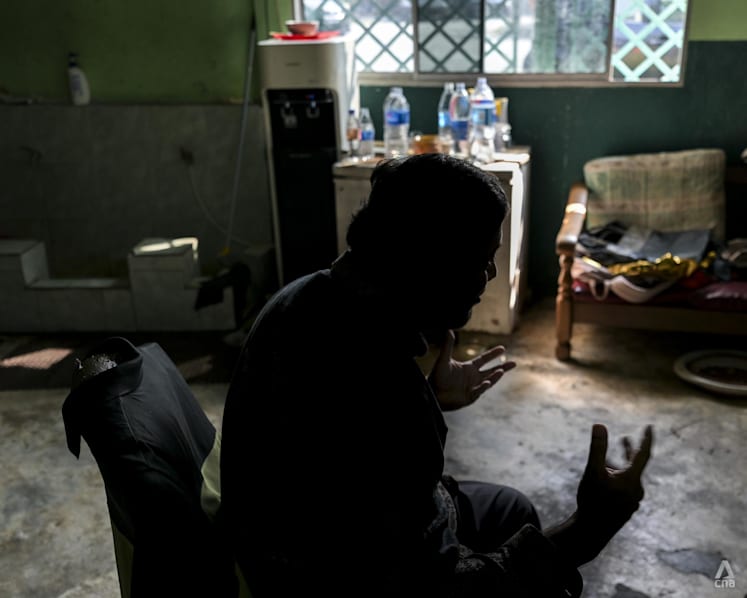
KUALA LUMPUR/BANGKOK: Nearly 20 years ago, 54-year-old Mohamed Sadek fled Rakhine State in western Myanmar to Malaysia, desperate to escape possible persecution and violence.
Three years ago, 39-year-old Lele Khine was forced to make the same decision. She fled Myanmar's southernmost region of Tanintharyi, trading everything she knew for the life of a refugee in Thailand.
Today, they are terrified by the possibility of being sent back.
As host nations across Southeast Asia shift their policy postures, thousands of displaced Myanmar refugees in Malaysia and Thailand worry their safe havens may be vanishing. Analysts say mounting public fatigue on refugees and domestic political expediency were among factors that drove the policy shifts.
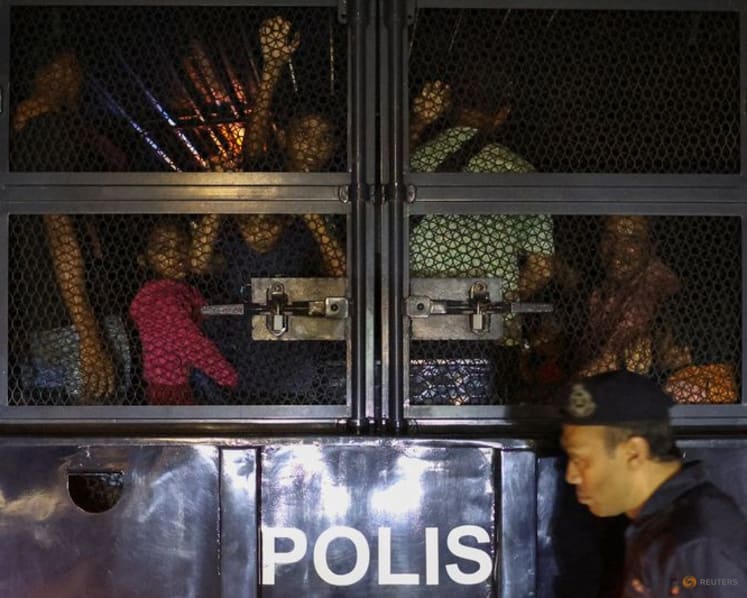
Malaysia has announced plans to return 5,000 Myanmar refugees, with the Home Ministry announcing that the first 1,476 people - whose ethnicities have not been disclosed - are scheduled to depart Malaysia on Sep 29 on board two Myanmar Navy warships and a hospital ship.
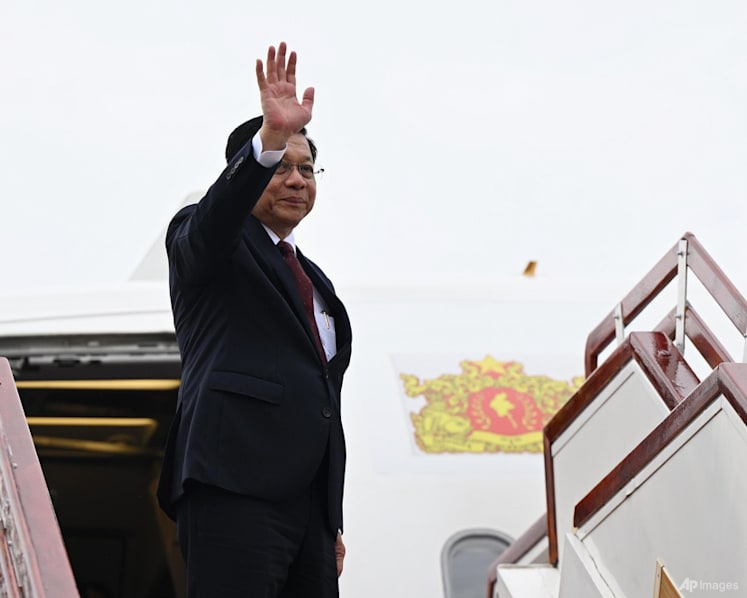
Malaysia Prime Minister Anwar Ibrahim said on Sep 16 he would invite Myanmar's leader Min Aung Hlaing for an official visit in return for his government accepting the return of thousands of Rohingya Muslim refugees.
"Why did I invite him? I invited him because I want to tell him that we can be friends and trade. We can accept Myanmar, but they must accept (its refugees) back," said Anwar.
Thailand, meanwhile, has been leading an effort to normalise relations with Myanmar, both bilaterally and through the Association of Southeast Asian Nations (ASEAN).
Myanmar leader Min Aung Hlaing made an official visit to the country on Aug 6.





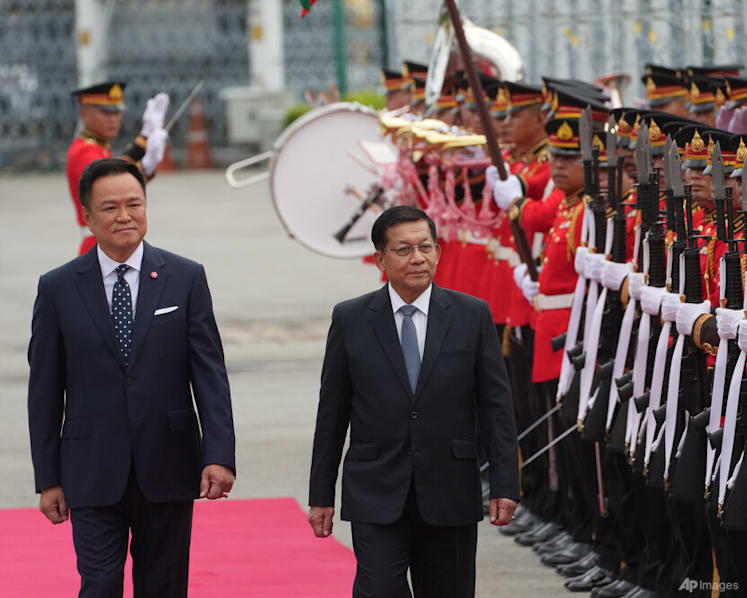
Days after the visit, Thai authorities raided an undocumented Karen community in Kaeng Krachan National Park, arresting 28 villagers including children and pregnant women and slating 26 people for deportation to Myanmar.
Thailand has also enacted a new law authorising the swift deportation of foreign nationals who violate domestic regulations – a measure human rights activists warn will leave refugees more vulnerable to forced repatriation.
According to the United Nations refugee agency’s figures from February, Malaysia has a total of 193,824 refugees from Myanmar. They include 126,144 Rohingya, 15,774 Chin, and 33,002 individuals from other ethnic groups.
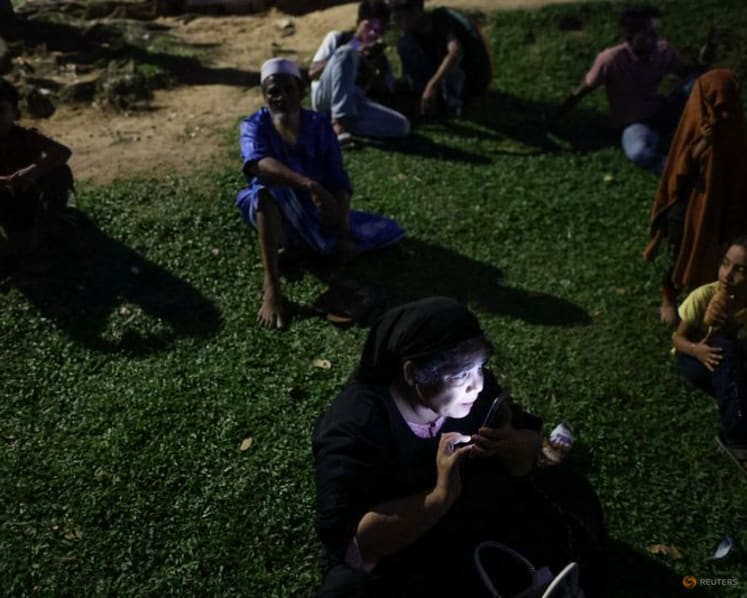
Thailand has over 90,000 refugees from Myanmar – mainly Karen, Karenni and Burmese ethnicity – at nine temporary shelters run by the Thai government on the border.
Indonesia – another major refugee-hosting Southeast Asian country – has around 2,800 Myanmar refugees because it is seen as a transit country with limited work opportunities and is more difficult to access geographically.
Human rights watchers say the situation in Myanmar is still not conducive for the safe return of those who originally fled the country.
But Malaysia has said the repatriation programme is voluntary, while Myanmar has pledged "safe and dignified" returns for its citizens displaced abroad.
Thai Prime Minister Anutin Charnvirakul has, so far, directed the authorities to fully exercise their legal powers for offences such as aggressive behaviour, illegal business operations and landholdings, and actions deemed disrespectful to Thai culture.
WHY THEY FLED
Malaysia and Thailand are top destinations for Myanmar refugees due to their geographic closeness and established support networks, despite the fact that neither country has ratified the United Nations (UN) Refugee Convention or formally recognises refugees.
The displacement of Myanmar nationals into Thailand and Malaysia spans nearly four decades, unfolding across three primary historical waves driven by military offensives, ethnic violence and political crackdowns.
Refugees in both countries told CNA the time was not right to return to their homeland.
Khine fled to southern Thailand in 2023 because of fighting between the military and rebel forces.
Her husband, 41, had fled more than a year earlier, and she joined him after he saved enough money to get her across. Together, they worked to bring their three children, aged 9 to 15, to safety.
“We came because of the political crisis in Myanmar. We could hear bombs dropping from the sky. I was very worried about my family,” she said.
Khine now lives in a coastal area in southern Thailand and works at a seafood processing plant. She worries that Thailand will start cooperating with the Myanmar government and send Myanmarese back, particularly men like her husband who may be forced to join the military.
In 2024, the Myanmar government announced that all men aged 18 to 35, and women aged 18 to 27, had to serve at least two years under military command.
“But it is not safe there for my family. I don’t think peace will ever be achieved if both sides continue to fight,” said Khine.
Just three months ago, the Myanmar military searched every house in her village for rebel fighters, she said.
That same anxiety is felt hundreds of kilometres away in Kuala Lumpur.
James Bawi Thang Bik, a Chin refugee living in the Malaysian capital, told CNA the reports of 5,000 refugees in Malaysia facing repatriation came as a profound shock.
“We hope that things will change and that we can go back to Myanmar one day, but the whole Chin state and Myanmar is a complete war zone. There isn’t any peace in the country,” said Bawi, who has been in Malaysia for almost 15 years.
He had fled Malaysia to escape conscription to the army, and said youngsters in Myanmar today still face the same risk.
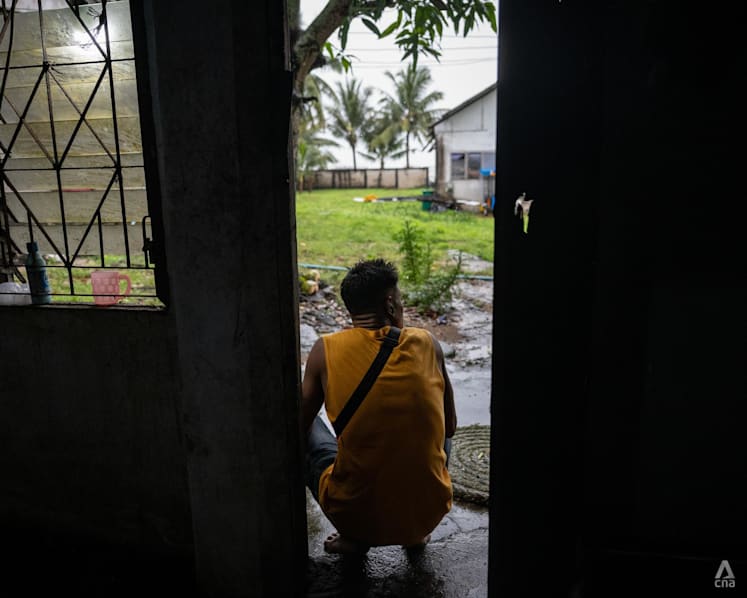
Ye Htet, a 29-year-old from Mon State, said this was the reason he fled Myanmar four years ago.
"I know people who were forced to become soldiers. I knew that if I stayed, sooner or later they would come for me," said Ye Htet, who now works on a rubber plantation in southern Thailand.
He made the gruelling three-day trek through forests and mountains to reach the Thai border and, when he finally crossed into Thailand, he said he felt safe for the first time in years.
He believed he had escaped the shadow of the war, but those fears have returned as Bangkok deepens its engagement with Naypyidaw.
"I miss my home. I miss my family. No matter what, Thailand is not my country,” he said.
“But I cannot go back in the foreseeable future. For someone my age, if I return to Myanmar, I will become a soldier for sure,” he added.
"I don’t want to fight anyone. I don’t want to kill anyone. But if they make me a soldier, I will have no choice. I think I will die."
As for the Rohingya, who have been described as the most persecuted minority in the world, refugees such as Sadek said he was grateful for Malaysia’s provision of a safe haven and hopes the country will not send back people who may face danger on their return.
“Myanmar is my country but it is not safe for us. We came here not to stay here forever, but to make preparations to return one day. Unfortunately, we cannot do that at the moment,” he said.
“I’m not sure what agreement they made, but I don’t believe Malaysia will send anyone whose life is in danger back to Myanmar,” he said.
“The Rohingya must be resettled to third countries where they can find a permanent home. Many have been here since the 1980s but are still in limbo,” he said, also questioning whether there was any urgency to resettle the Rohingya.
Hundreds of thousands of Rohingya fled Myanmar in 2017 following a military crackdown.
Many fled across the border to Bangladesh, where they recently rallied for safe return to Rakhine state in Myanmar and protested the dire conditions of refugee camps in Cox’s Bazar, where some have lived for nine years.
The Bangladeshi government has reportedly tried to begin repatriation at least twice previously. But none of the refugees were willing to return, citing security concerns in Myanmar, and Dhaka said it would not force anyone to go back.
In August, the Myanmar government said more than 300,000 people living in camps in Bangladesh are former residents of Rakhine state and that it will accept their return once security conditions improve, wire agencies reported.
WHY HOST COUNTRIES ARE ACTING NOW
Observers attribute the shifting postures of Southeast Asian host countries to mounting public fatigue on refugees, with Thailand and Malaysia feeling the immediate effects of the crisis much more than others.
Teuku Rezasyah, an international relations expert from Indonesia’s President University, said that these countries are dealing with the spillover of refugees and have vested interests in finding solutions.
“They are growing impatient and, because of that, they start to improvise,” he said.
“Thailand has accommodated them, but the question is what happens if the conflict continues for many more years. One day, this can become a serious domestic problem for Thailand.”
He added that Myanmar understood Thailand's strategic importance, and likely hopes Bangkok could influence the rest of ASEAN to become more accepting of the current regime.
Thailand is scheduled to assume the ASEAN chairmanship in 2028.
“From Myanmar's perspective, it potentially has a powerful ally within ASEAN during this period. Thailand could become very important in shaping how ASEAN approaches Myanmar,” he said.
There could be a diplomatic incentive for Myanmar’s government to take back the refugees, said Khoo Ying Hooi of Universiti Malaya's International and Strategic Studies Department.
“Engagement with Anwar allows Myanmar’s authorities to demonstrate that, despite ASEAN’s restrictions on high-level participation since the 2021 coup, they can still conduct bilateral diplomacy with ASEAN governments,” she said.
The concern is not whether Myanmar is willing to receive the refugees, she said, but how Malaysia can guarantee those being returned will be safe, protected and treated with dignity.
Besides Thailand, Min Aung Hlaing has made trips to Vietnam and Cambodia recently.
In an August interview with Thai PBS World, Thai Foreign Minister Sihasak Phuangketkeow said there has been “measurable progress” to justify “calibrated re-engagement” with Myanmar.
He cited the release of political prisoners and the moving of Myanmar’s democracy icon Aung San Suu Kyi from a prison to a “designated residence”. Aung San Suu Kyi was also allowed to meet a representative of the International Committee of the Red Cross.
Sihasak said Thailand has to live with the “reality” in Myanmar, as continued fighting between Myanmar government forces and ethnic armed groups has driven thousands to cross over to Thailand, which is also grappling with cross-border pollution and scam operations originating in Myanmar.
He said there are also concerns among ASEAN countries that an isolated Myanmar risks becoming an arena for major power rivalry.
As for Malaysia, Teuku said its current stance represents a sharp departure from its historic openness toward displaced Muslim populations.
But negative sentiments are growing partly due to disinformation and a lack of knowledge about what actually happened to the Rohingya in Myanmar, Teuku said.
“In a difficult economy, this can easily create envy and resentment. It can then be exploited through social media and disinformation,” he said.
In June, the Human Rights Commission of Malaysia said it had observed growing hostility, discriminatory rhetoric, and online attacks directed at the Rohingya community.
In late July, locals evicted over 100 Rohingya refugees from their homes in Penang, leaving them no choice but to pitch camp outside the UNHCR office in Kuala Lumpur.
Local authorities and aid groups later relocated the individuals to temporary housing arranged by NGOs and the UNHCR across Kuala Lumpur, Selangor and Penang.
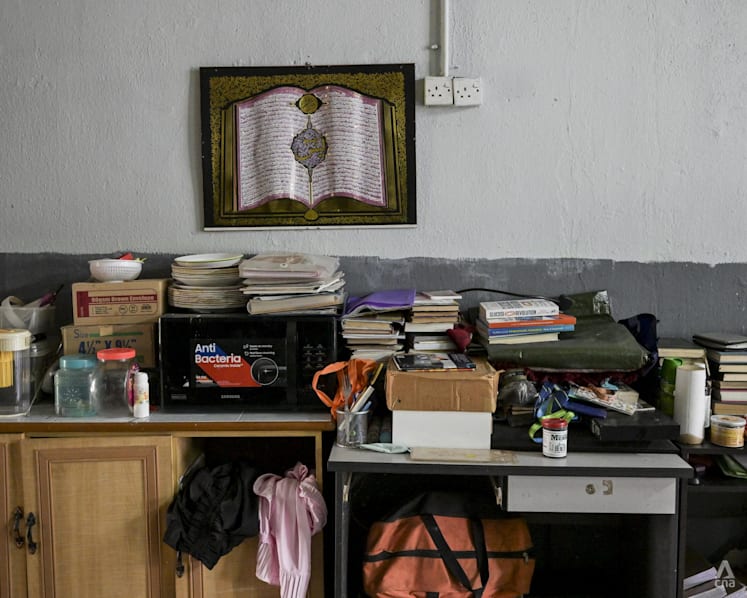
This shifting political climate has affected the community's daily life, leading to the closure of several Rohingya learning centers across the country in recent months.
Sadek noted that a school he operated in Kuala Lumpur for seven years was forced to shut down a few months ago for lacking valid operational permits.
“We can only respect the Malaysian law,” he said wryly.
Mahi Ramakrishnan, founder of the refugee advocacy group Beyond Borders, believes the mood of the electorate in the run-up to the country’s next general election, due by February 2028, may be a factor.
“I really think it’s about the next election following a string of severe defeats in several state polls,” she said, referring to the ruling Pakatan Harapan’s performance in recent state elections in Sabah, Johor and Negeri Sembilan.
Anwar on Sep 16 acknowledged in a podcast the suffering of the Rohingya, but said Malaysia could not accommodate them permanently, Reuters reported.
He said Myanmar has accepted the return of 5,000 refugees, with Kuala Lumpur bearing the repatriation cost, and the expectation was that more would be returned later in stages.
"To me, that's better diplomacy than just shouting angrily at Myanmar. Who's going to take them? Where do we send them? They don't even have Myanmar citizenship," Anwar said.
"Previously we didn't negotiate because we didn't recognise them," he said of Min Aung Hlaing's government. "We're not simply going to recognise and negotiate for no reason."
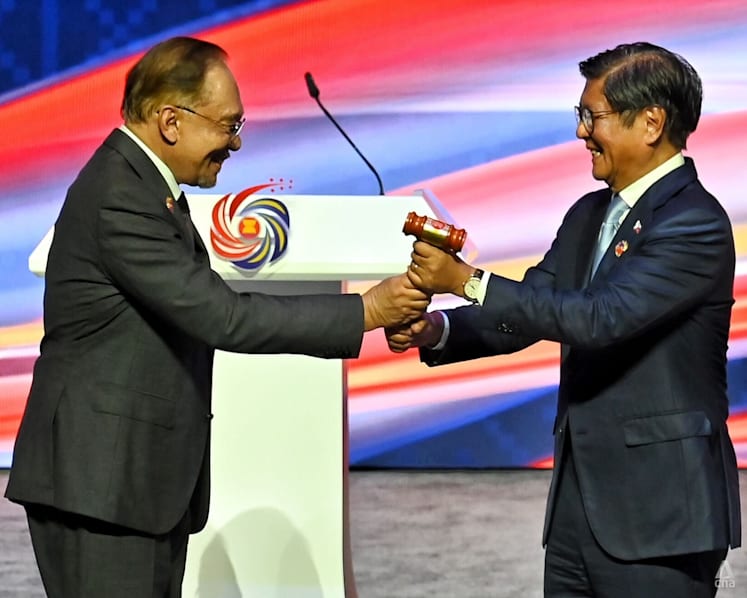
Indonesian Foreign Ministry spokesperson Yvonne Mewengkang said Indonesia is closely monitoring the Myanmar leader’s diplomatic tour.
“In principle, Myanmar’s bilateral relations with those countries are a matter within the authority and rights of each country, and this definitely does not automatically affect ASEAN centrality itself,” Yvonne said at a press briefing in Jakarta on Sep 17. She was referring to the bloc’s ability to play a leading role in addressing various issues that affect the region.
Indonesia therefore continues to view ASEAN as having an important role in helping Myanmar find solutions to its challenges. Mewengkang said ASEAN’s five-point consensus “will remain ASEAN’s primary framework for helping Myanmar find a peaceful, inclusive, and sustainable solution”.
The consensus is a regional peace plan adopted in April 2021 to address the political and humanitarian crisis in Myanmar following the military coup. It includes the immediate cessation of violence in Myanmar.
ASEAN’S CREDIBILITY ON THE LINE?
Regional observers say the repatriation of Myanmar refugees has diplomatic implications for host countries and pose a dilemma for ASEAN.
UN High Commissioner for Human Rights Volker Türk has said such returns would breach the non-refoulement principle.
Under international human rights law, the principle guarantees that no one should be returned to a country where they would face torture, cruel, inhuman or degrading treatment or punishment and other irreparable harm.
During a dialogue in Geneva on Myanmar on Sep 7, Turk said “there can be no question of returning Rohingya and other refugees to Myanmar at a time of such insecurity and danger”.
He said airstrikes remain the main cause of civilian deaths, highlighted forced conscription, and said the military’s “denial and instrumentalisation of aid have worsened the situation, particularly in minority areas”.
Teuku of Indonesia’s President University said countries like Indonesia and Malaysia must tread carefully, as turning their backs on the Rohingya could have geopolitical consequences.
“There could be a backlash from other Muslim-majority nations that continue to view the Rohingya as a persecuted Muslim population. At the same time, they risk sharp criticism from Western countries that still regard Myanmar’s military regime as illegitimate,” he said.
Mahi of Beyond Borders said the Malaysian government’s approach to Myanmar refugees contrasted with its vocal support of the Palestinian cause and the plight of Palestinians.
Anwar had said on Jul 29 during a political campaign event that “good relations” with Myanmar had enabled the countries to negotiate on the issue.
ASEAN has excluded Min Aung Hlaing and the country’s other leaders from its high-level summits since the military overthrew Aung San Suu Kyi's democratically elected government in 2021.
Min Aung Hlaing was installed as Myanmar's leader in April following elections that democracy watchdogs and Western nations have called a sham intended to improve the military government's image.
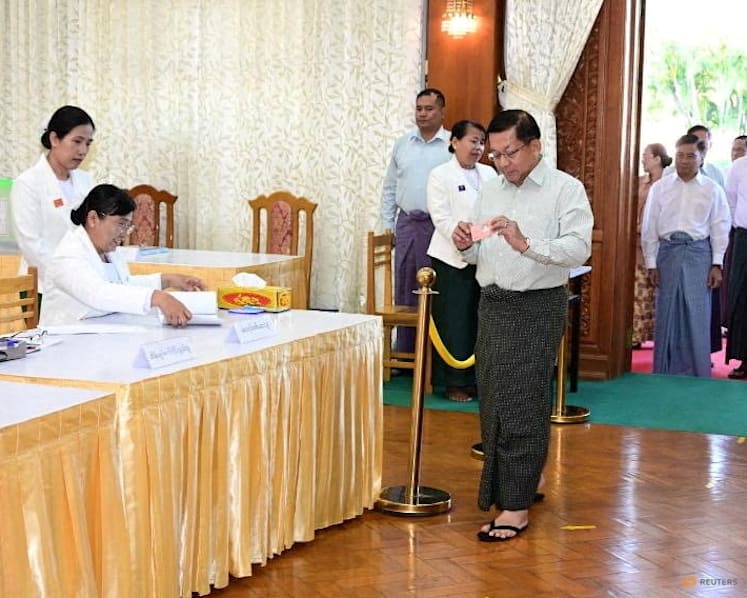
Kasit Piromya, former foreign minister of Thailand and a member of the Special Advisory Council – formed by former diplomats, former UN officials and experts in response to the 2021 coup – for Myanmar, said Bangkok’s decision to engage directly with Min Aung Hlaing was short-sighted and driven by self-interest.
He said Thailand’s stance has shattered any vestige of a unified ASEAN position on Myanmar, while further fuelling the military’s violence and intransigence.
The day after Min Aung Hlaing returned from his trip to Thailand, the Myanmar government rejected a request by the Special Envoy of the ASEAN Chair, Philippine Foreign Secretary Theresa Lazaro, to meet with Aung San Suu Kyi, he noted.
Malaysia’s repatriation plans show ASEAN's failure to secure meaningful progress in Myanmar, including its five-point consensus on ending the crisis there, said Khoo of Universiti Malaya.
“The basic logic of the (five-point consensus) was to reduce violence, facilitate political dialogue and allow humanitarian assistance. But it has been five years, and the conditions inside Myanmar are still considered unsafe, then clearly those underlying objectives have not been achieved,” she said.
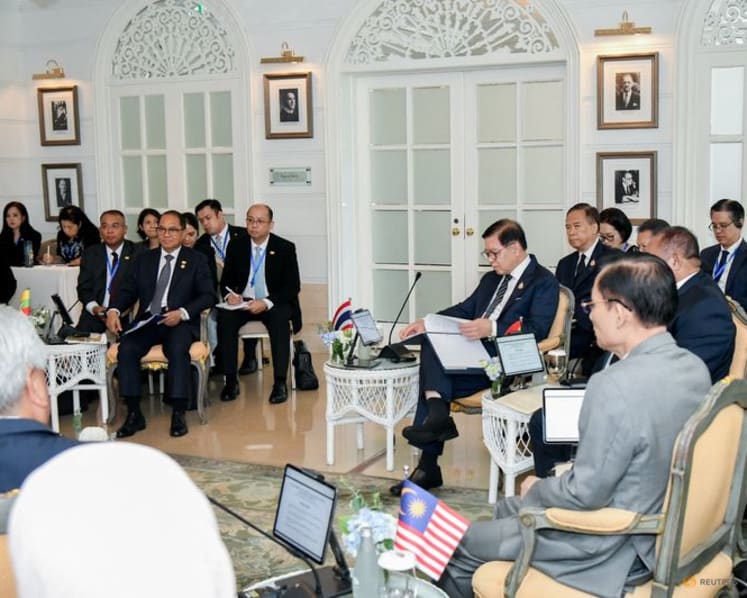
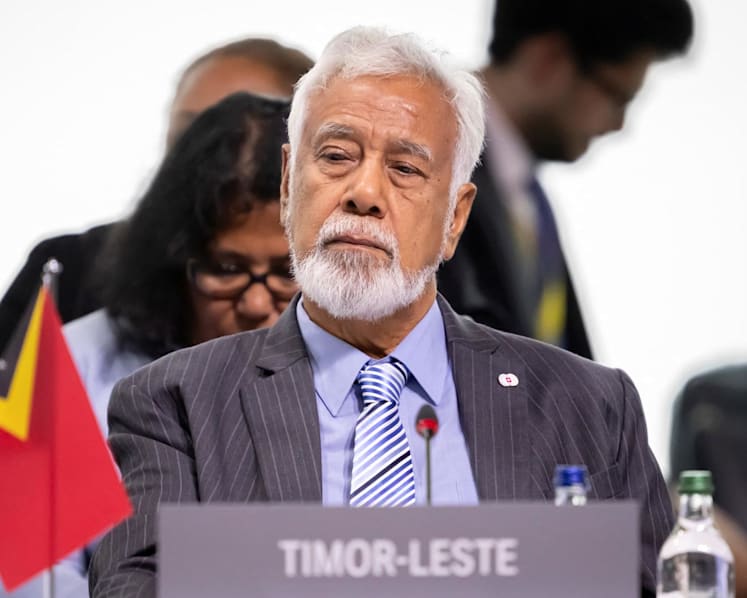
Malaysia had been one of the ASEAN countries pushing for a stronger voice on Myanmar, particularly during its chairmanship of the bloc last year, said Khoo.
“If, at the same time, refugees are being returned to a country where the political and security conditions that forced many of them to leave remain unresolved, it creates a clear contradiction between ASEAN's diplomacy towards Myanmar and the way ASEAN member states deal with the human consequences of the crisis,” she said.
ASEAN will lose credibility if its member states increasingly pursue different forms of engagement with Myanmar while the bloc maintains the five-point framework, she added.
The refugees, meanwhile, continue to wish for peace to return to their homeland.
Bawi still dreams of returning to Chin State, especially around Christmas time.
“The best feeling anyone can have is to live with your own family in your own country,” he said.
Khine, too, wonders if she will be able to return to her country before she grows old.
“I feel very sad about what is going on in my country right now. I cannot talk about Myanmar without crying. If Myanmar can return back to peace, I want nothing more than to go back to Myanmar,” she said.