Malaysia considering consumption tax reform: Prime Minister Anwar
Malaysia previously scrapped the goods and services tax amid an outcry over rising living costs.
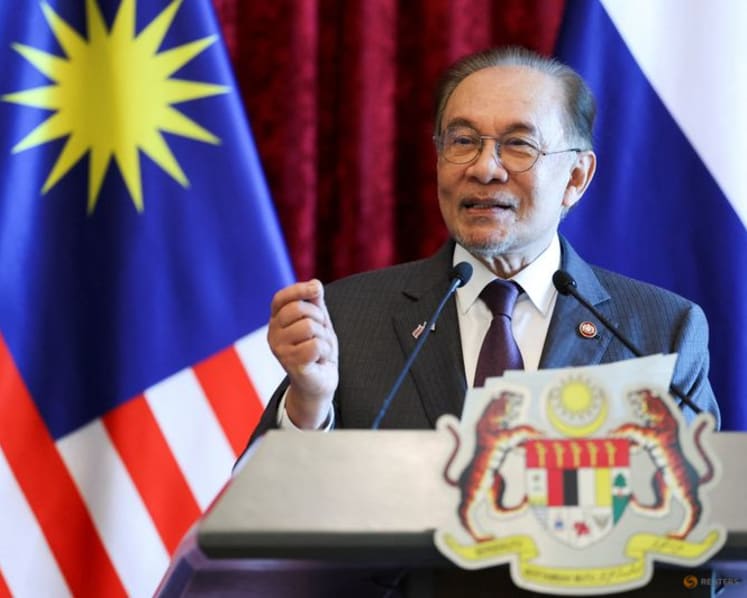
Malaysia's Prime Minister Anwar Ibrahim speaks during a press conference at the Federal Government office of Perdana Putra in Putrajaya, Malaysia on Jul 9, 2026. (Photo: Reuters/Hasnoor Hussain)
KUALA LUMPUR: Malaysian Prime Minister Anwar Ibrahim said on Tuesday (Aug 18) the government was considering reforming its consumption tax regime to make it more progressive and efficient, including potentially reintroducing aspects of a broad-based goods and services tax (GST).
Malaysia scrapped the GST, which was set at 6 per cent, in 2018 amid an outcry over rising living costs, replacing it with a narrower sales and services tax (SST). Some analysts have called for the GST to be revived so the government can achieve its fiscal targets.
Anwar, who is also finance minister, said he considered GST to be the most transparent and efficient system of tax collection, but was concerned about the impact on the poorest segments of society.
The government could not retain the current SST regime due to weaknesses in the system, he said, without providing details.





"So we need to see how we can combine these two systems to find a new way to determine a more progressive and efficient taxation system," he told a finance ministry event.
"It is a major challenge, it has to be done. But it is not simple ... with rising poverty rates and rising costs of living."
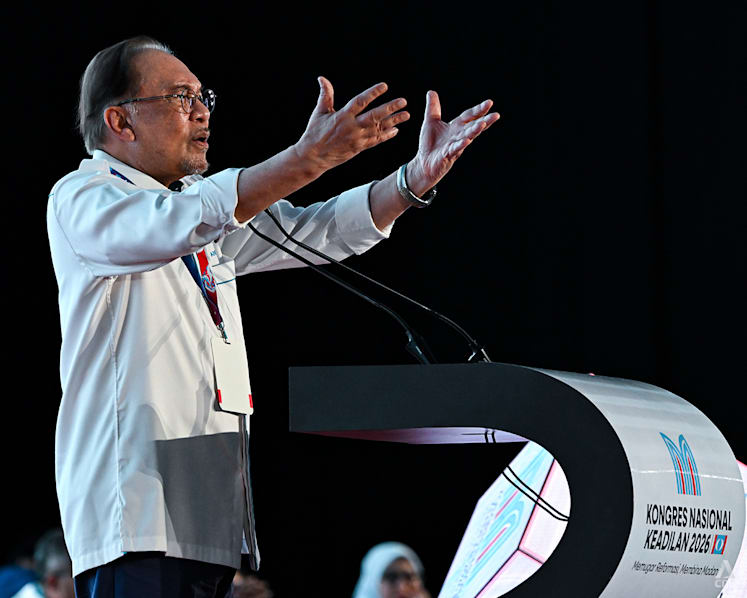
The government said in 2024 it had no plans to reintroduce the GST as an alternative to removing subsidies for petrol. Last year, it introduced a quota for purchases of subsidised RON95 transport fuel, as part of an effort to replace blanket subsidies with a more targeted aid system.
In a pre-budget statement released on Tuesday, the finance ministry said targeted subsidies had generated around 15.5 billion ringgit (US$3.8 billion) in savings a year, helping the budget absorb a ballooning subsidy bill due to higher energy costs from the Middle East conflict.
The government is expected to present its budget for 2027 in parliament on Oct 9, the ministry said.
The budget is expected to be framed around 10 focus areas, including narrowing regional development gaps, addressing cost-of-living pressures, and boosting investment growth, it said.