Indonesia steps up wildfire management efforts amid haze in Singapore and Malaysia
Indonesian authorities also said they are also closely monitoring wind direction, which has been affecting transboundary haze spreading to the wider region.
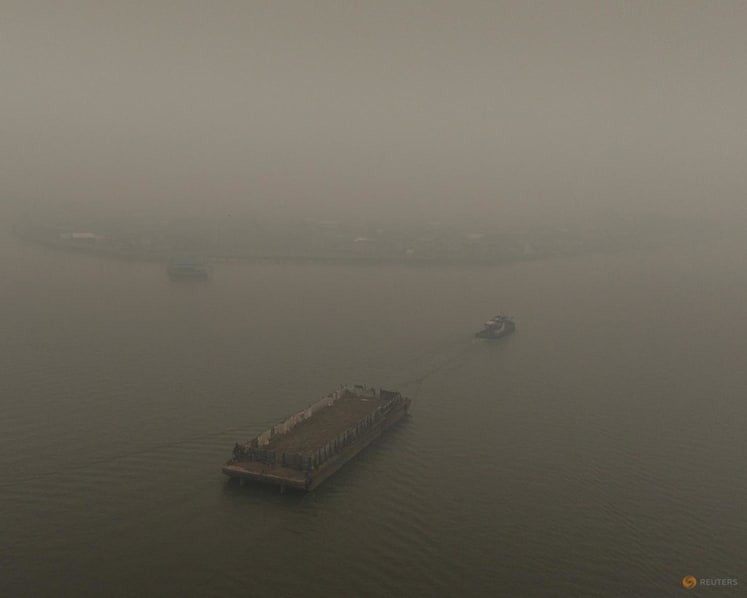
A drone view shows a barge being towed along the Kapuas River amid haze from wildfires in Pontianak, West Kalimantan on Sep 15, 2026. (Photo: Reuters/Ajeng Dinar Ulfiana)
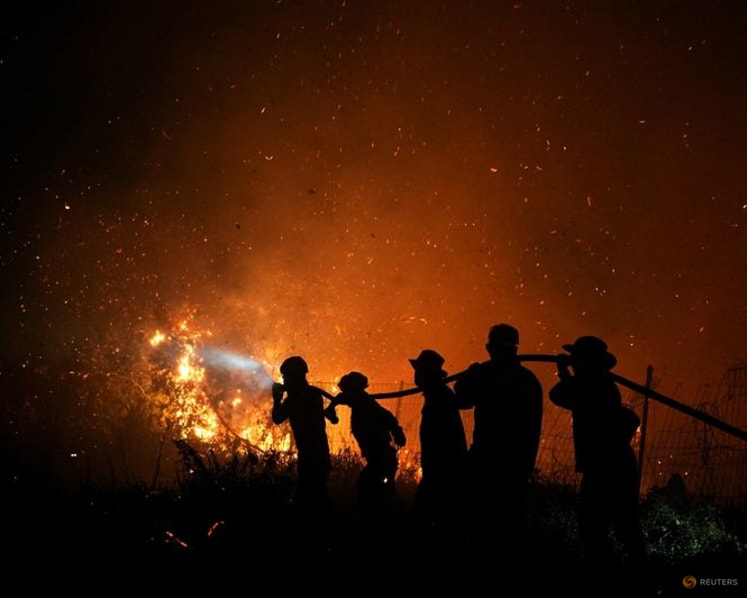
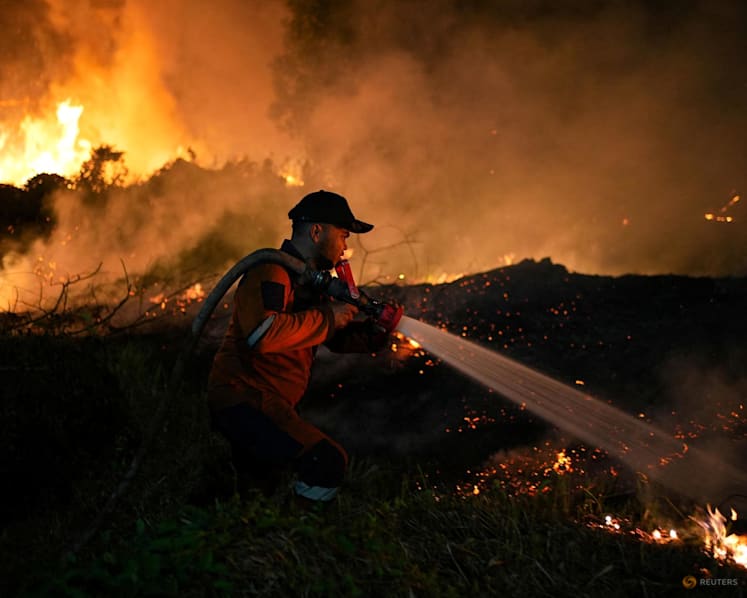
JAKARTA: Indonesian authorities are stepping up efforts to contain forest and land fires as haze spreads across the region and air quality continues to deteriorate in neighbouring Malaysia and Singapore.
The country has been battling its most intense wildfires in 11 years, which could go on until early November, Forestry Minister Raja Juli Antoni told local media on Wednesday (Sep 16).
"These forest and wildfires will remain with us until October or early November," he said, adding that the rainy season is also expected to arrive late.
The Indonesian National Disaster Mitigation Agency (BNPB) said on Tuesday that it is expanding firefighting efforts for wildfire management beyond the current six priority provinces - Riau, Jambi, South Sumatra, West Kalimantan, South Kalimantan and Central Kalimantan, state news agency Antara reported.
Acting head of the agency’s Disaster Data, Information and Communication Centre, Berton SP Panjaitan, said that operations would now also cover high-risk areas such as Bromo Tengger Semeru National Park and Mount Butak in East Java, where water bombing helicopters have been deployed.
Joint firefighting teams are also carrying out intensive operations in North Maluku, Central Java, North Kalimantan, Central Sulawesi, Lampung and Southeast Sulawesi, Berton told an online press conference.
The expanded operations come ahead of dense haze forecasts and are aimed at preventing forest fires from causing more widespread damage, he added.
“We’ve seen a surge in hotspot activity and smoke intensity in several areas. We urge everyone to remain vigilant and take precautionary measures against airborne pollutants,” Antara quoted Berton as saying.
The highest concentration of air pollutants were seen in West Kalimantan, Central Kalimantan and South Kalimantan, Berton said, also citing data from the Environment Ministry’s Air Pollution Standard Index (ISPU) - with the situation yet to show signs of improvement.





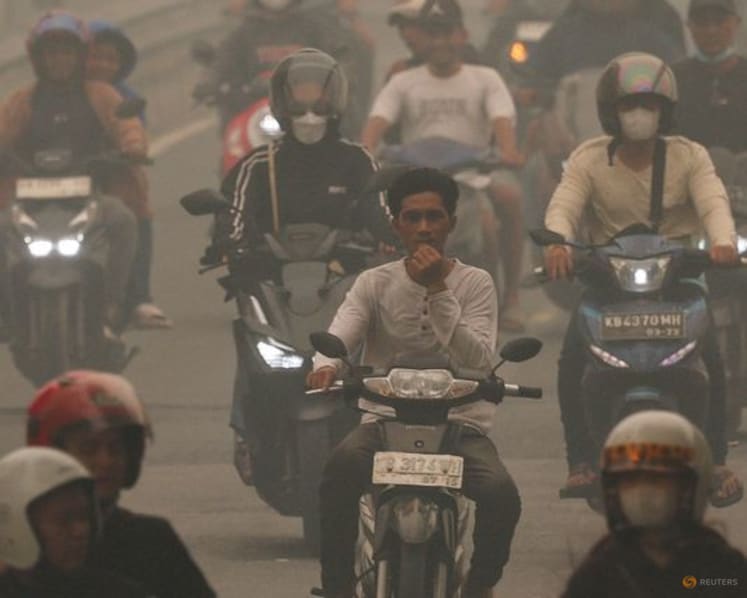
As of 12pm Jakarta time on Wednesday, air quality in several parts of Kalimantan continues to be in the hazardous range.
In Central Kalimantan, one of the worst-hit provinces, South Barito regency recorded an ISPU reading of 920, while Murung Raya regency registered 761, according to data from the ministry’s website.
Under Indonesia’s ISPU classification, readings above 300 are considered hazardous.
Wind direction is another factor that needs close monitoring, Berton said - adding that it has also affected transboundary haze spreading to neighbouring countries like Malaysia, Singapore and Brunei.
The worsening haze in Indonesia has also led to a sharp rise in acute respiratory infections - including children under the age of five.
Health ministry data as of Sep 9 showed 113,336 cases recorded across seven regions - Central Kalimantan, West Kalimantan, Jambi and South Sumatra.
This was more than double the 50,891 cases recorded just over a week earlier on Sep 1, according to a Jakarta Post report.
Children under five also accounted for more than 20 per cent of cases - with over 26,500 cases recorded as of Sep 9.
REGIONAL SITUATION
Air pollution across the region continues to worsen.
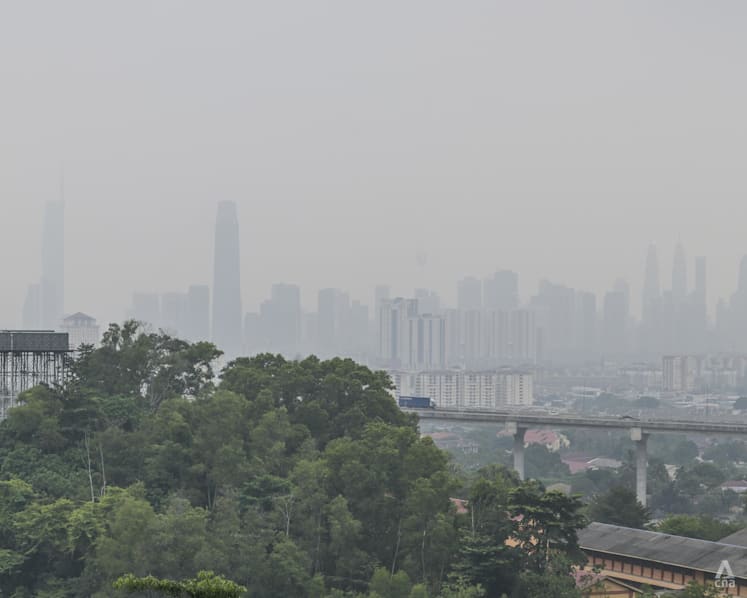
In neighbouring Malaysia, 40 areas recorded unhealthy air quality levels as of 8am on Wednesday, with Johan Setia in Selangor registering the highest Air Pollutant Index (API) reading of 182.
Under Malaysia’s API scale, readings of 51 to 100 are moderate, 101 to 200 unhealthy and 201 to 300 very unhealthy. API readings above 300 are hazardous.
Other affected areas included Cheras in Kuala Lumpur, which logged an API of 179 and Nilai in Negeri Sembilan at 178, API readings showed.
Putrajaya, Shah Alam and Seremban were other locations in peninsular Malaysia which recorded unhealthy air quality.
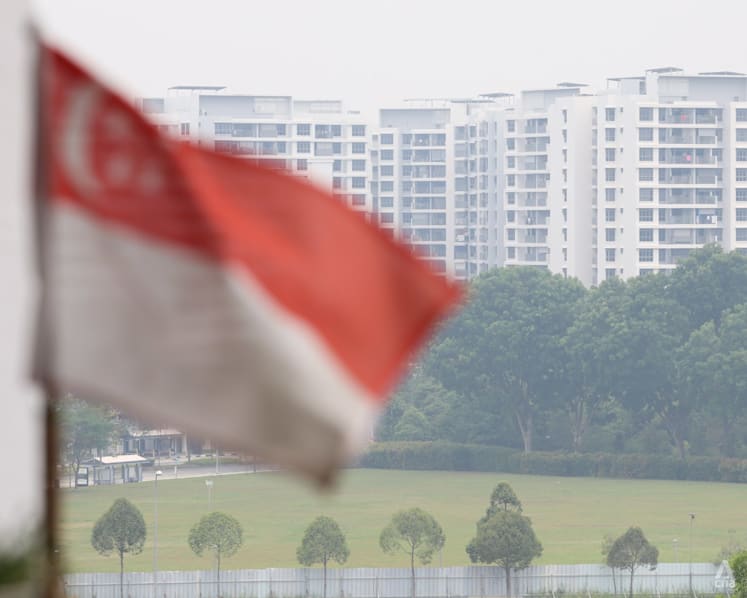
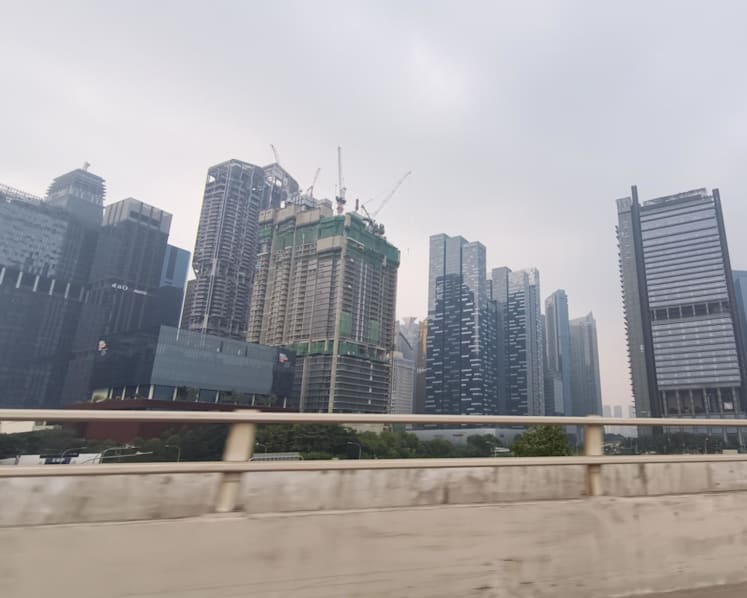
Haze conditions in Singapore improved slightly on Wednesday morning as the 24-hour Pollutant Standards Index (PSI) dropped back into the moderate band.
As of 11am, the PSI for the central region remained the highest at 99, while PSI readings in the western and the eastern regions stood at 85 and 83 respectively.
PSI readings in the northern and southern regions were 76 and 74 respectively.
All five regions entered unhealthy air quality range of 101 to 200 on Tuesday - the first time in seven years.