New Zealand produce finds a growing place on Asia’s tables
The country’s food exports include traceable fresh ingredients, pantry staples and consumer brands guided by strict safety and quality standards.

Wine is among New Zealand’s F&B exports reaching restaurants, retailers and consumers across the region. (Photos: New Zealand Trade and Enterprise)

This audio is generated by an AI tool.


Presented by

New Zealand may be best known for lamb and dairy, but its role in Asia’s food story goes well beyond these staples. From fine dining kitchens to supermarket shelves and family tables, its fresh ingredients and packaged goods are reaching a growing number of consumers across the region.
“New Zealand is not only a source of raw ingredients but also of finished food products,” said Ms Maggie Christie, New Zealand’s trade commissioner to Singapore. “Our products span pantry staples, beverages and wellness products, including manuka honey, breakfast cereals, non-alcoholic beer, wine, sauces, snacks and juices.”
Over the past few decades, New Zealand has built a reputation among Southeast Asian countries as a reliable trade partner with strong food safety and sustainability standards, according to a 2025 report by the Asia New Zealand Foundation.
From April 2024 to March 2025, New Zealand exported more than NZ$44 billion (S$33.1 billion) in dairy, meat and horticulture products globally. Singapore, Indonesia and Malaysia were among its top 15 export markets.
Mr Joe Nelson, regional director for Southeast and East Asia at New Zealand Trade and Enterprise, said demand is rising as more middle-income consumers in the region become more discerning about what they eat. “Consumers want food that is nutritious, traceable and consistent in quality, with a clear story of where it comes from,” said Mr Nelson. “That plays to New Zealand’s strengths.”
BACKED BY AUDITED STANDARDS

From grass-fed dairy to antibiotic-free chicken, New Zealand’s food exports are governed by a strict regulatory environment that requires full traceability from farm to port.
Residue standards, soil and environmental management, and animal welfare requirements are checked through independent oversight, giving buyers more confidence in product claims.
“Supply chains are increasingly able to trace dairy products back to the farm in near real time,” said Mr Nelson. “Seafood is supported by national fisheries management and ocean-to-plate tracking, while manuka honey exports are verified against a government-defined authenticity standard.”
This emphasis on accountability is reflected in Made With Care, New Zealand’s global food and beverage campaign. Ms Christie said the campaign highlights how the country’s food story is shaped by care for people, place and planet, built around Maori principles like kaitiakitanga (guardianship) and manaakitanga (hospitality, generosity and reciprocity).
As Asian consumers show growing interest in wellness-oriented foods, New Zealand food producers are developing products that combine taste with health benefits, including nutritionally enhanced apples and red-fleshed kiwifruit.
Together with more traditional offerings like antioxidant-rich fruits and seafood that contains omega-3 fatty acids, these products respond to consumer concerns around gut health, mental clarity and long-term well-being.
KEEPING SUPPLY STEADY
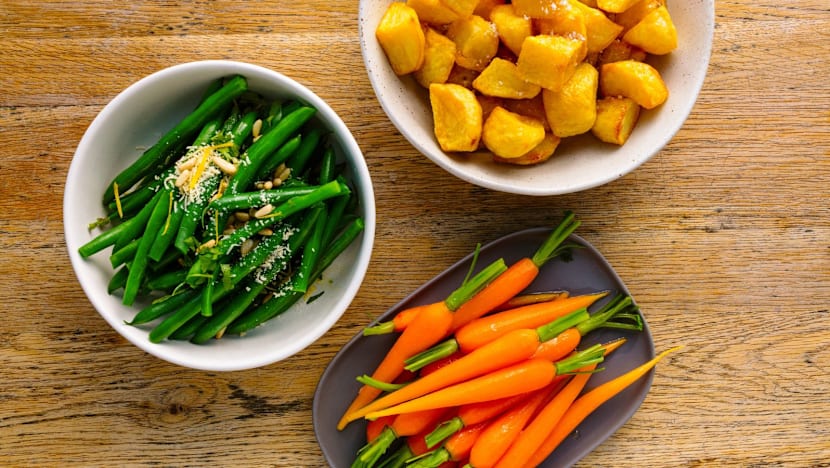
For consumers and businesses seeking reliable and diverse ingredients, New Zealand’s counter-seasonal supply helps keep shelves stocked year-round. Its location in the southern hemisphere allows it to complement northern hemisphere supply cycles, supporting the availability of produce such as cherries and kiwifruit while keeping costs stable for consumers.
New Zealand’s free trade agreements with Singapore and ASEAN also help buyers manage supply chain uncertainty, even as food costs rise globally. Ms Christie said the recently upgraded Comprehensive Strategic Partnership between New Zealand and Singapore will help both countries collaborate on food security to support trade growth and accelerate exports of safe, quality food across Singapore’s borders.
Earlier this month, both countries signed the Agreement on Trade in Essential Supplies, a legally binding agreement to keep essential goods such as food, fuel and medical supplies moving during crises. It includes commitments not to impose export restrictions on an agreed list of such goods, reducing the risk of shortages and sudden price spikes.
As part of the ASEAN-Australia-New Zealand Free Trade Area, New Zealand has built strong relationships with regional partners such as importers and retailers, improving affordability along the supply chain.
Through regional events such as Food and Hospitality Asia 2026, held last month, and the growing use of e-commerce platforms, New Zealand’s F&B brands are reaching more distributors, retailers and buyers seeking products with clear provenance.
“When buyers see New Zealand on a label, there’s an expectation – earned over time – that the product will deliver on taste and quality,” said Mr Nelson.
Discover a comprehensive range of New Zealand F&B exporters and find out how to connect with them directly.